We are not a registered Medicare/Medicaid Provider


Many patients in Haymarket, VA ask the same question before their first whitening appointment. Is professional teeth whitening safe for your enamel and gums? It is a fair concern, and the answer deserves a clear, honest explanation. At Haymarket Dental, Dr. Paul Han believes every patient should understand exactly what happens during whitening treatment before committing to it.
Professional whitening uses peroxide-based gels to break apart surface stains. The concentration is higher than over-the-counter products. That is why patients want to know whether those stronger formulas cause lasting damage. The short answer is: professional whitening is safe for most patients when performed correctly.
How Professional Teeth Whitening Affects Your Enamel
Enamel is the hard outer layer of your teeth. It protects the sensitive inner layers from bacteria, temperature, and pressure. Patients often worry that whitening erodes or weakens this protective shell.
Research consistently shows that professional whitening does not damage healthy enamel when used as directed. The peroxide gel temporarily opens tiny pores in the enamel surface. This allows the bleaching agent to reach the stain molecules underneath.
Once whitening is complete, those pores naturally close again. The enamel structure returns to its normal state. No permanent softening or thinning occurs with professionally supervised treatment.
However, patients with pre-existing enamel erosion face different risks. Thin or already-damaged enamel may become more sensitive during treatment. Dr. Han always evaluates enamel condition before recommending any whitening plan.
Is Professional Teeth Whitening Safe for Your Gums in Haymarket?
Gum safety is another common concern. Whitening gel can irritate soft tissue if it contacts the gums directly. In-office treatments use custom trays or barriers to minimize this contact.
Temporary gum irritation sometimes occurs, especially with higher-concentration formulas. This usually resolves within 24 to 48 hours. It is not a sign of permanent damage.
Patients with existing gum disease face a different situation. Inflamed or infected gum tissue reacts more intensely to whitening agents. This is why Dr. Han screens for gum disease before beginning any whitening treatment.
- Healthy gums experience minimal to no irritation with professional whitening
- Custom-fitted trays reduce gel contact with gum tissue
- Any irritation that does occur is typically short-lived
- Active gum disease must be treated before whitening begins
- Professional monitoring reduces the risk of prolonged sensitivity
Who Should Avoid Professional Teeth Whitening
Professional whitening is not the right choice for every patient. Some conditions make whitening unsafe or ineffective. Knowing these situations helps patients make informed decisions.
Patients who are pregnant or breastfeeding should postpone whitening treatment. There is not enough research to confirm it is completely safe during pregnancy. Caution is always the better approach in that situation.
Children and teenagers under 16 should generally avoid bleaching treatments. Their pulp chambers are still developing. Whitening during this stage can cause unnecessary sensitivity.
Patients with the following conditions should consult Dr. Han before whitening:
- Active tooth decay or untreated cavities
- Exposed tooth roots from gum recession
- Severe enamel erosion from acid reflux or diet
- Existing crowns, veneers, or bonding on front teeth
- Known allergies to peroxide-based products
- Chronic tooth sensitivity that has not been evaluated
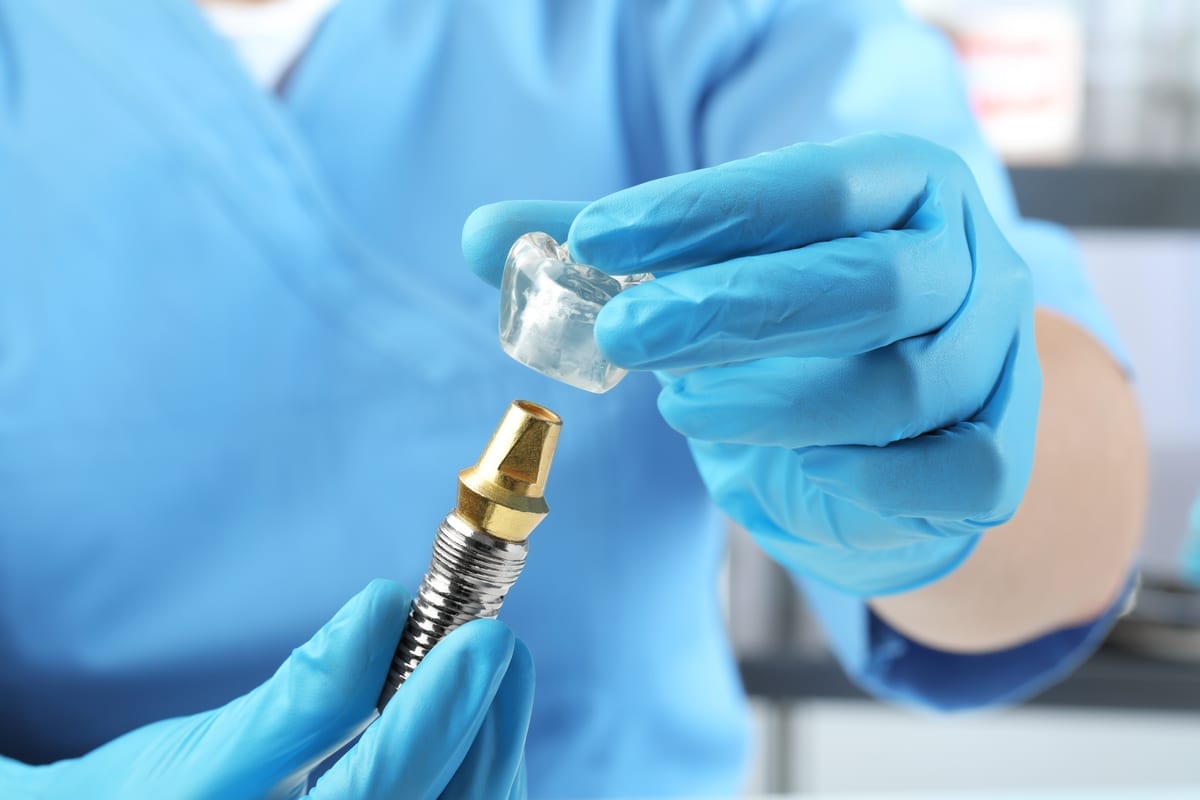
Crowns and veneers do not respond to whitening agents. Whitening only natural tooth structure. Patients with cosmetic restorations may end up with uneven color after treatment.
Sensitivity During and After Whitening: What Is Normal
Tooth sensitivity is the most commonly reported side effect of professional whitening. It tends to peak during treatment and fade within a few days. This temporary sensitivity does not indicate permanent harm.
The peroxide gel temporarily increases the permeability of your enamel. This allows temperature and pressure sensations to reach the nerve more easily. Most patients describe it as brief, sharp twinges rather than constant pain.
Dr. Han often recommends sensitivity-reducing toothpaste before and after whitening. This helps prepare the teeth and ease any post-treatment discomfort. Patients with a history of sensitivity should mention it during their initial consultation.
Severe or prolonged sensitivity lasting more than a week is not typical. That level of discomfort warrants a follow-up visit. Dr. Han can assess whether the whitening concentration needs to be adjusted for future sessions.
Professional Whitening vs. Over-the-Counter Products
Many patients try store-bought whitening strips before visiting a dentist. These products contain lower concentrations of peroxide. They are generally safe but less effective than professional treatments.
Over-the-counter strips come with universal tray designs. These do not fit every mouth precisely. Poorly fitting trays increase the risk of gel leaking onto gum tissue.
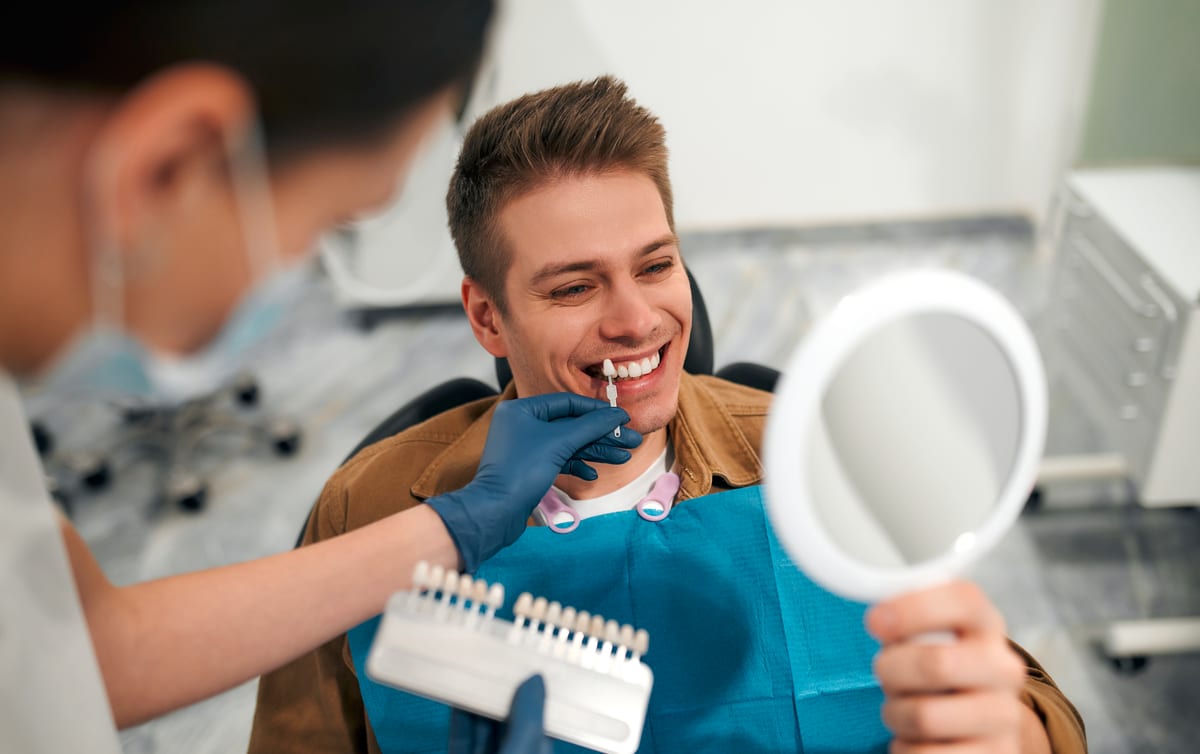
Professional whitening at Haymarket Dental uses custom trays made from impressions of your teeth. This precise fit keeps the gel where it belongs. Patients achieve better results with fewer risks.
As part of our Cosmetic Dentistry services, professional whitening is performed under clinical supervision. Dr. Han monitors the process and adjusts treatment as needed. That level of oversight simply is not available with a store-bought kit.
Maintaining Your Results Safely After Whitening
Once whitening is complete, protecting your results matters. The same habits that stain teeth before whitening will stain them again. Being mindful of certain foods and beverages helps maintain your outcome.
Coffee, red wine, tea, and dark berries are the most common culprits. Patients do not need to eliminate these foods entirely. Rinsing with water after consuming them reduces staining significantly.
Regular dental cleanings also play a major role in maintaining whitening results. Our Family Dentistry team provides routine cleanings that remove surface buildup before it sets into deeper stains. Preventive care and cosmetic care work together here.
Touch-up whitening treatments can be done periodically to refresh results. Dr. Han advises patients on how often touch-ups are appropriate. Overusing whitening products, even professional ones, is not recommended.
Conclusion: Making an Informed Choice About Whitening in Haymarket
Professional teeth whitening is safe for most healthy patients when supervised by a qualified dentist. It does not permanently damage enamel or gum tissue in people who are good candidates. The key is a thorough evaluation before treatment begins.
Dr. Paul Han and the team at Haymarket Dental take a patient-first approach to every whitening consultation. We assess your enamel, gum health, and overall oral condition before recommending any treatment. Our goal is to help you achieve a brighter smile without compromising your dental health.
If you have questions about whether professional whitening is right for you, we are here to help. Book Now to schedule your appointment with our team.
Frequently Asked Questions
Does professional teeth whitening permanently damage enamel?
No. Research shows that professional whitening does not cause permanent enamel damage in patients with healthy teeth. The gel temporarily opens pores in the enamel surface, but these close naturally after treatment. Your enamel structure remains intact when whitening is performed correctly and under dental supervision.
How long does tooth sensitivity last after whitening?
Most patients experience sensitivity for 24 to 72 hours after whitening. This is a normal and temporary side effect. Using a sensitivity-formulated toothpaste before and after treatment can help. If sensitivity lasts longer than one week, contact your dentist for a follow-up evaluation.
Can I whiten my teeth if I have dental crowns or veneers?
Whitening agents only work on natural tooth enamel. Crowns, veneers, and bonding do not respond to bleaching. If you whiten teeth that have existing restorations, you may notice a color mismatch between your natural teeth and your restorations. Discuss this with Dr. Han before beginning treatment.
Who is not a good candidate for professional teeth whitening?
Patients who are pregnant, under age 16, or have active gum disease or tooth decay are generally not good candidates for whitening. People with severe enamel erosion, exposed root surfaces, or known peroxide allergies should also consult their dentist first. A pre-whitening evaluation helps identify any concerns before treatment begins.
How is professional whitening safer than over-the-counter strips?
Professional whitening uses custom-fitted trays that keep the gel precisely on your teeth and away from your gums. A dentist monitors the entire process and adjusts the treatment based on your response. Over-the-counter strips use generic trays that may not fit well, increasing the risk of gum irritation and uneven results.