We are not a registered Medicare/Medicaid Provider

If you’re searching for answers about what you’ll actually feel during your root canal treatment in Linton Hall, you’re not alone. Fear of the unknown keeps many patients from getting the care they need. The truth is, modern root canal treatment is far more comfortable than most people expect. Dr. Paul Han at Haymarket Dental wants to walk you through every single step — so you know exactly what to expect before you sit down in the chair.
Why Root Canals Have an Undeserved Reputation
Root canals have been unfairly labeled as one of the most painful dental procedures. That reputation comes from an era before modern anesthetics and precision techniques. Today, the procedure itself causes very little discomfort. Most patients say it feels similar to getting a standard filling.
The real discomfort usually comes before the root canal — from the infected tooth itself. Once treatment begins, that pain starts to go away. Understanding this distinction helps set realistic expectations for Linton Hall patients.
Our team at Haymarket Dental prioritizes your comfort at every stage. We take time to answer your questions and make sure you feel informed and at ease. No one rushes through the appointment. Your experience matters as much as the clinical outcome.
What You’ll Actually Feel During Your Root Canal Treatment: Step by Step
Let’s walk through what actually happens — and what your body will experience — during a typical root canal procedure at our Haymarket office serving Linton Hall.
- Numbing the area: Dr. Han applies a topical numbing gel before the injection. You’ll feel mild pressure, not sharp pain. Within a few minutes, the tooth and surrounding tissue become fully numb.
- Accessing the tooth: Once numb, you won’t feel the drill breaking through the crown of the tooth. You may sense vibration and light pressure, but no pain.
- Removing the pulp: Tiny instruments clean out the infected tissue inside the tooth. You’ll feel pressure but no sharpness. This stage is often surprisingly quick.
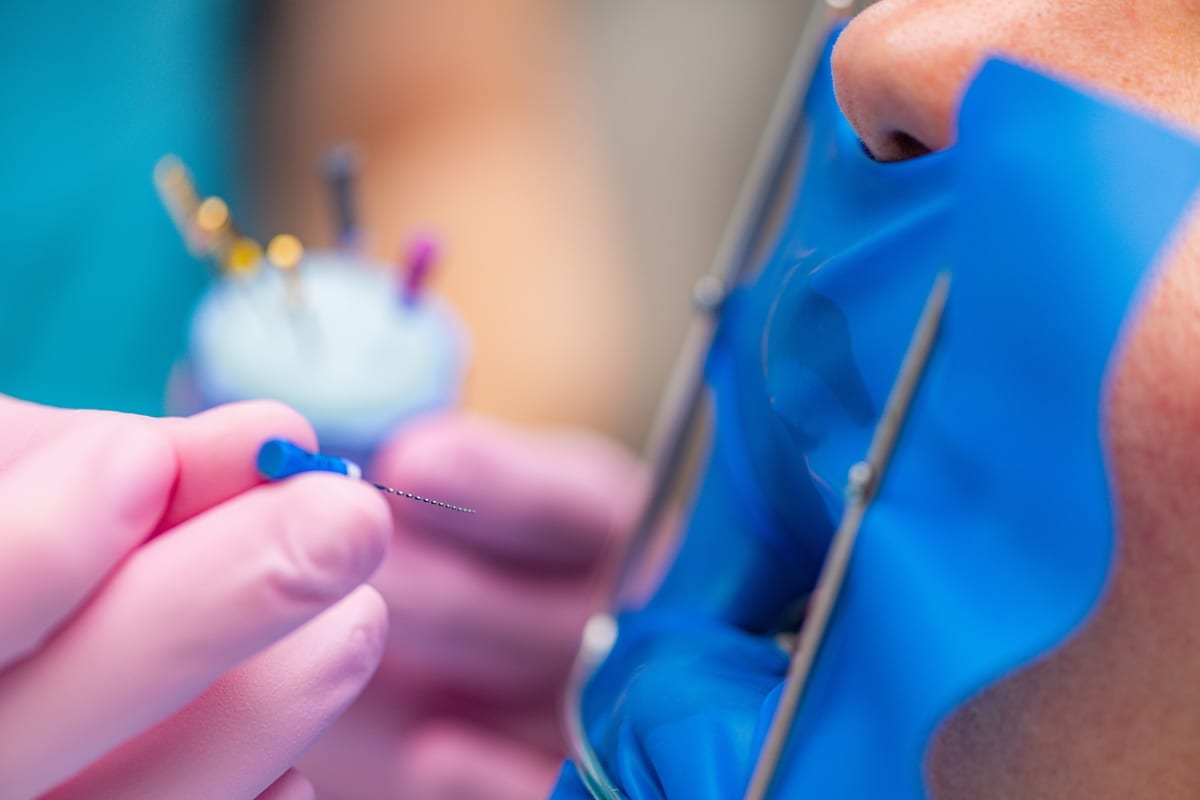
- Shaping and cleaning the canals: Dr. Han shapes the inner canals with precision files. You might feel mild pressure during this stage. Most patients find it entirely manageable.
- Sealing the tooth: The cleaned canals get filled with a biocompatible material called gutta-percha. This step is painless. A temporary or permanent crown then protects the tooth.
From start to finish, the procedure typically takes one to two appointments. Each step is paced to keep you comfortable throughout.
Sensations That Are Normal — And What Might Surprise You
Many patients are surprised by how little they feel during treatment. Here are common sensations that are completely normal during your root canal.
- Pressure without pain: You’ll feel the instruments working, but the anesthesia eliminates sharp sensations.
- Jaw fatigue: Holding your mouth open for an extended period can make your jaw feel tired. This is temporary and passes quickly.
- Slight vibration: The dental drill creates vibration you can sense but not feel as pain.
- Mild soreness afterward: Once the anesthesia wears off, the treated area may feel tender for a day or two. Over-the-counter pain relievers typically manage this well.
- A feeling of relief: Many patients report that the pressure from the original infection disappears almost immediately after treatment.
Knowing these sensations ahead of time removes the element of surprise. Surprise is often what escalates anxiety during dental procedures. Dr. Han and the team will also narrate each step as it happens so nothing catches you off guard.
How Dr. Paul Han Manages Comfort for Linton Hall Patients
At Haymarket Dental, patient comfort is built into every part of the root canal experience. Dr. Han uses proven techniques to ensure the anesthesia is fully effective before beginning any work. If you signal discomfort at any point, treatment pauses immediately. You are always in control of the pace.
Patients from Linton Hall and the surrounding area also benefit from a calm, welcoming environment. The office is designed to feel less clinical and more reassuring. Small details — from the tone of conversation to the care taken during each step — make a measurable difference in patient anxiety.
For patients with significant dental anxiety, Dr. Han can also discuss additional comfort options. These options help even the most nervous patients complete treatment successfully. No one should delay necessary care because of fear.
Haymarket Dental also offers a wide range of services beyond root canals. Whether you’re interested in Cosmetic Dentistry or looking for comprehensive Family Dentistry care, the practice serves patients of all ages and needs.
After the Procedure: What Recovery Actually Feels Like
Recovery from a root canal is usually straightforward. Most patients return to normal activities the same day or the following morning. Here’s what the recovery period typically looks like.
- Day 1: Mild tenderness around the treated tooth as anesthesia fades. Avoid hard or crunchy foods.
- Days 2–3: Soreness decreases noticeably. Most patients need only minimal pain relief.
- One week out: The tooth feels close to normal. A follow-up appointment confirms healing is on track.
- Final crown placement: Once healing is confirmed, a permanent crown restores full function and appearance to the tooth.
Swelling or lingering pain beyond three days warrants a call to our office. Complications are rare, but we want to address any concerns quickly. Dr. Han’s team remains available to answer questions throughout your recovery.
You Deserve Comfortable, Informed Dental Care
Root canal treatment doesn’t have to be something you dread. With the right preparation and the right dental team, it’s a manageable procedure that saves your natural tooth and eliminates infection-related pain. Linton Hall patients who understand what to expect report dramatically lower anxiety during and after treatment.
Dr. Paul Han and the team at Haymarket Dental are committed to making your experience as clear and comfortable as possible. You’ll never feel rushed or uninformed in our office. Every question you bring to the appointment deserves a real answer. Book Now to schedule your appointment with our team.
Frequently Asked Questions
Does a root canal actually hurt?
Most patients are surprised to find that a root canal causes very little pain during the procedure. Dr. Han uses effective local anesthesia to numb the area completely before starting. Any discomfort you feel is usually mild pressure, not sharp pain. The infection causing your toothache typically hurts far more than the treatment itself.
How long does the root canal procedure take?
A single root canal appointment usually takes between 60 and 90 minutes. Some cases require a second appointment to complete sealing and place the final crown. Dr. Han will give you a clear timeline during your initial consultation so you can plan accordingly.
Will I need time off after my root canal?
Most patients return to work or normal activities the same day. Mild soreness is common for one to two days after the procedure. Avoiding hard foods and taking over-the-counter pain relievers as directed helps manage any post-treatment tenderness.
What happens if I avoid getting a root canal?
Delaying treatment allows the infection to spread and worsen. This can lead to more serious dental and health complications over time. In many cases, avoiding a root canal eventually results in tooth loss. Treating the problem early protects both your tooth and your overall health.
How do I know if I need a root canal?
Common signs include persistent toothache, sensitivity to hot or cold that lingers, swelling near a tooth, or a darkened tooth. However, some infected teeth show no obvious symptoms. A dental examination and X-rays are the most reliable way to determine whether root canal treatment is necessary.