We are not a registered Medicare/Medicaid Provider

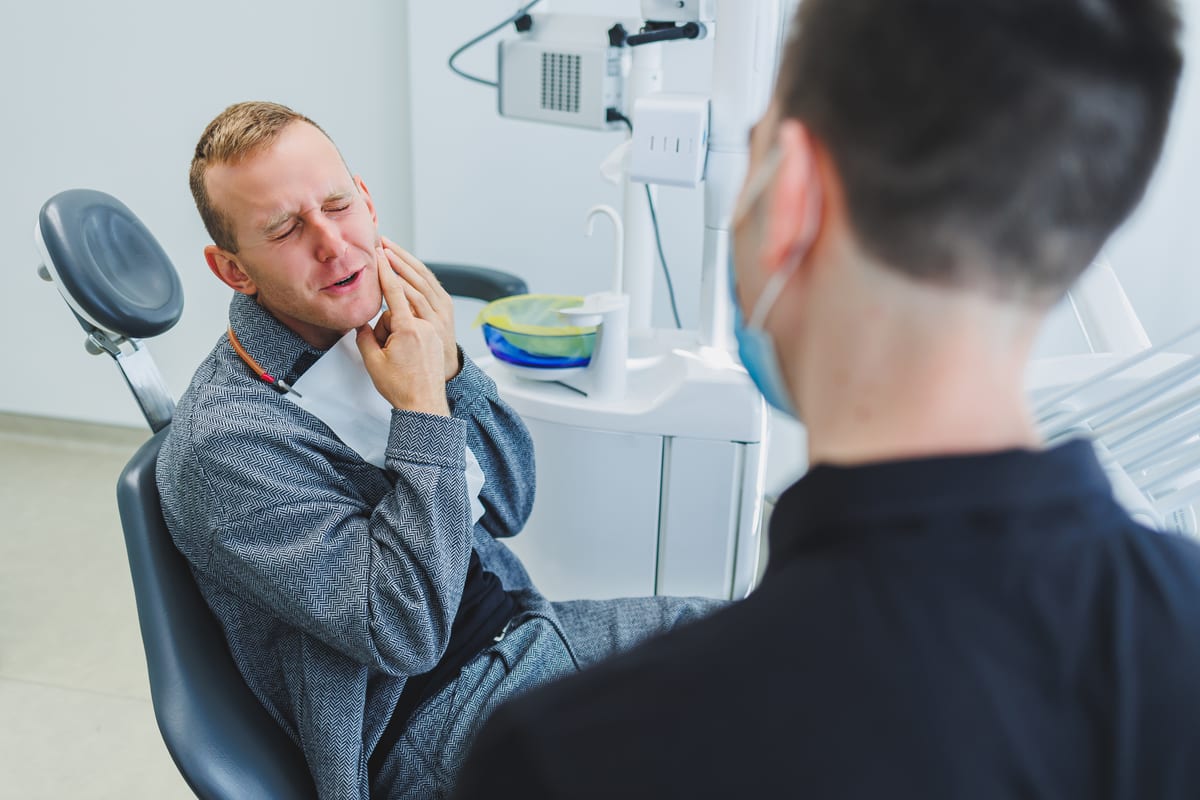
Most people in Haymarket know that candy and soda harm teeth. But surprising foods rotting your teeth — even the ‘healthy’ ones — are often hiding in plain sight on your plate. From granola bars to citrus fruits, many everyday foods quietly damage your enamel. Dr. Paul Han at Haymarket Dental wants you to know exactly what to watch out for.
Understanding which foods cause dental damage helps you make smarter choices. It also helps you protect your smile between checkups. Read on to discover the biggest dietary threats to your teeth — and what you can do about them.
Why Surprising Foods Rotting Your Teeth in Haymarket Deserve More Attention
Dental decay does not happen overnight. It is a gradual process driven by acid and bacteria. Every time you eat, bacteria in your mouth feed on sugars and starches. They then produce acids that attack your enamel.
The tricky part is that many foods people consider healthy still trigger this process. Parents making school lunches, athletes grabbing quick snacks, and health-conscious adults all face this risk. You do not have to eat junk food to develop cavities. You just need to eat the wrong foods too frequently — or in the wrong way.
At Family Dentistry Haymarket, we see patients every week who are surprised to learn that their diet is contributing to tooth decay. Awareness is the first and most important step.
The ‘Healthy’ Foods That Secretly Damage Your Enamel
Certain foods carry a health halo — meaning people assume they are safe for teeth. Unfortunately, that assumption can lead to real dental problems. Here are some of the most common offenders:
- Citrus fruits and juices: Oranges, lemons, and grapefruits are high in vitamin C but also very acidic. Frequent exposure weakens enamel significantly.
- Dried fruits: Raisins, apricots, and cranberries are sticky and packed with concentrated sugar. They cling to teeth and feed decay-causing bacteria for hours.
- Granola and granola bars: These often contain oats, honey, and dried fruit — all of which stick to teeth and break down into sugar quickly.
- Sports drinks and flavored waters: Many contain hidden sugars and acidic additives that erode enamel, even when marketed as healthy hydration.
- Smoothies: Blending fruit does not remove sugar — it concentrates it. Sipping a smoothie slowly gives bacteria a long window to cause damage.
- Vinegar-based foods: Pickles, salad dressings, and kombucha are trendy and nutritious but highly acidic.
The common thread here is acid and sugar. Both are present in foods most people never question. Knowing this gives you the power to adjust your habits and protect your enamel.
Starchy and Processed Foods: The Hidden Cavity Culprits
Sugar gets most of the blame for tooth decay. But starches are just as dangerous — sometimes more so. Processed starches break down into simple sugars almost immediately in your mouth.
Foods like white bread, crackers, chips, and pasta start digesting the moment you chew them. Enzymes in your saliva convert those starches into sugar rapidly. That sugar then feeds bacteria and fuels acid attacks on your enamel.
Crackers and chips are especially problematic because they are dry and crumbly. Bits get lodged between teeth and in grooves on your molars. They sit there for a long time, giving bacteria plenty of fuel.
Consider these commonly overlooked starchy troublemakers:
- White bread and bagels: Soft, starchy, and sticky — they paste onto tooth surfaces easily.
- Potato chips: Highly processed starches that break into sugar fast and wedge between teeth.
- Pretzels: Often seen as a healthier snack than chips, but still highly starchy and low in nutritional value for teeth.
- Breakfast cereals: Even low-sugar options contain refined grains that convert quickly to acid-producing sugars.
Rinsing your mouth with water after eating starchy foods helps reduce their impact. Brushing after meals is even better when possible.
Drinks That Do More Damage Than You Realize
What you drink matters just as much as what you eat. Beverages coat your entire mouth in a way that solid foods do not. Certain drinks create extended acid exposure across all your teeth at once.
Coffee and tea are daily staples for many Haymarket residents. Both are acidic and can erode enamel over time. Adding sugar amplifies the damage considerably. Even unsweetened coffee lowers the pH in your mouth and stains enamel.
Wine — both red and white — is another major offender. Red wine stains teeth visibly. White wine, however, is often more acidic and causes more enamel erosion. Many people are surprised to learn that white wine can be worse for enamel than red.
Sparkling water is increasingly popular as a soda alternative. It feels harmless, but carbonation makes water slightly acidic. Plain sparkling water is far less damaging than soda, but frequent consumption can still affect enamel over time. Flavored sparkling waters can be significantly more acidic — always check the label.
How to Protect Your Teeth Without Giving Up the Foods You Love
The goal is not to eliminate every enjoyable food from your life. The goal is to eat smarter and support your dental health with good habits. Small changes make a big difference over time.
Here are practical steps Dr. Paul Han recommends for patients at Haymarket Dental:
- Drink water after acidic foods or drinks. Water neutralizes acid and rinses away sugar residue.
- Eat acidic foods with meals rather than alone. Saliva production during meals helps buffer acid.
- Wait 30 minutes before brushing after acidic foods. Brushing too soon can scrub softened enamel away.
- Chew sugar-free gum after meals. It stimulates saliva, which is your mouth’s natural defense against acid.
- Use a straw when drinking acidic beverages. This reduces direct contact between the drink and your teeth.
- Schedule regular professional cleanings. Catching early enamel wear prevents more serious damage later.
Your diet directly shapes the condition of your teeth. Combining smart eating habits with consistent dental care is the most effective strategy for a lasting, healthy smile.
When Diet Damage Is Already Done: Restorative Options in Haymarket
Sometimes patients come to us after diet-related damage has already occurred. Enamel erosion, cavities, and staining are all treatable. The important thing is to address them sooner rather than later.
Depending on the level of damage, Dr. Paul Han may recommend treatments ranging from fluoride therapies to dental crowns. For patients concerned about the appearance of eroded or stained teeth, Cosmetic Dentistry Haymarket offers solutions like veneers and teeth whitening that can restore both function and beauty.
The best approach is always prevention. But when damage exists, modern dentistry has excellent options to restore your smile. Do not let embarrassment stop you from seeking help — our team creates a judgment-free environment for every patient.
Your smile is worth protecting. Small daily choices about what you eat and drink add up to major long-term results. Schedule a visit with Dr. Paul Han to assess your enamel health and get personalized dietary guidance. Book Now to schedule your appointment with our team.
Frequently Asked Questions
Are fruit smoothies bad for your teeth?
Smoothies can be hard on teeth because blending concentrates fruit sugars and acids. Sipping them slowly extends the time your teeth are exposed to that acid. Drinking a smoothie quickly and rinsing with water afterward reduces the risk. Using a straw also helps minimize direct contact with your enamel.
Is sparkling water safe to drink if I want to protect my teeth?
Plain sparkling water is much safer than soda or juice, but it is mildly acidic due to carbonation. Drinking it occasionally is unlikely to cause significant harm. Flavored sparkling waters can be more acidic and may increase erosion risk with frequent use. Still water remains the best option for dental health.
How do I know if my enamel is already eroding?
Common signs of enamel erosion include increased tooth sensitivity, a slightly translucent appearance at the edges of front teeth, and surface discoloration. Teeth may also feel rough or develop a rounded shape over time. A dental exam with Dr. Paul Han can confirm whether erosion is occurring and how advanced it is.
Can I reverse enamel damage caused by diet?
Enamel cannot fully regenerate once it is lost. However, early-stage erosion can be slowed and managed with fluoride treatments, remineralizing toothpastes, and dietary changes. For more significant damage, restorative options like dental crowns or veneers can protect and rebuild affected teeth. Early intervention always produces the best outcomes.
How often should I visit the dentist if my diet includes many acidic foods?
If your diet is high in acidic or sugary foods, more frequent dental visits may be beneficial. Dr. Paul Han can monitor enamel health closely and recommend preventive treatments before damage becomes severe. For most patients, twice-yearly visits are a solid baseline, but your dentist may suggest additional checkups based on your individual risk level.