We are not a registered Medicare/Medicaid Provider

Root Canal Treatment in Linton Hall: Your Questions Answered
If you’ve been told you need root canal treatment in Linton Hall, you likely have questions. Many patients feel anxious about this procedure. Understanding what happens during and after treatment can ease your concerns.
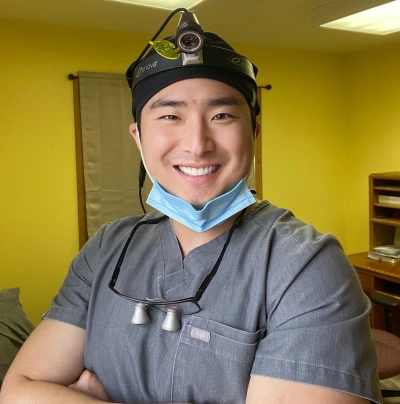
Dr. Paul Han at Haymarket Dental – Implant, Family and Cosmetic Dentistry answers the most common questions patients ask. This guide provides clear, honest information about root canal therapy. You’ll learn what to expect from start to finish.
Root canal treatment saves teeth that would otherwise need extraction. The procedure removes infected tissue from inside your tooth. Modern techniques make the experience far more comfortable than most people expect.
What Exactly Is Root Canal Treatment and Why Do I Need One?
Root canal treatment addresses infection or damage inside your tooth. Each tooth contains soft tissue called pulp. This pulp includes nerves, blood vessels, and connective tissue.
When decay, cracks, or trauma reach the pulp, bacteria enter. The infection causes pain and can spread to surrounding bone. Without treatment, you risk losing the tooth entirely.
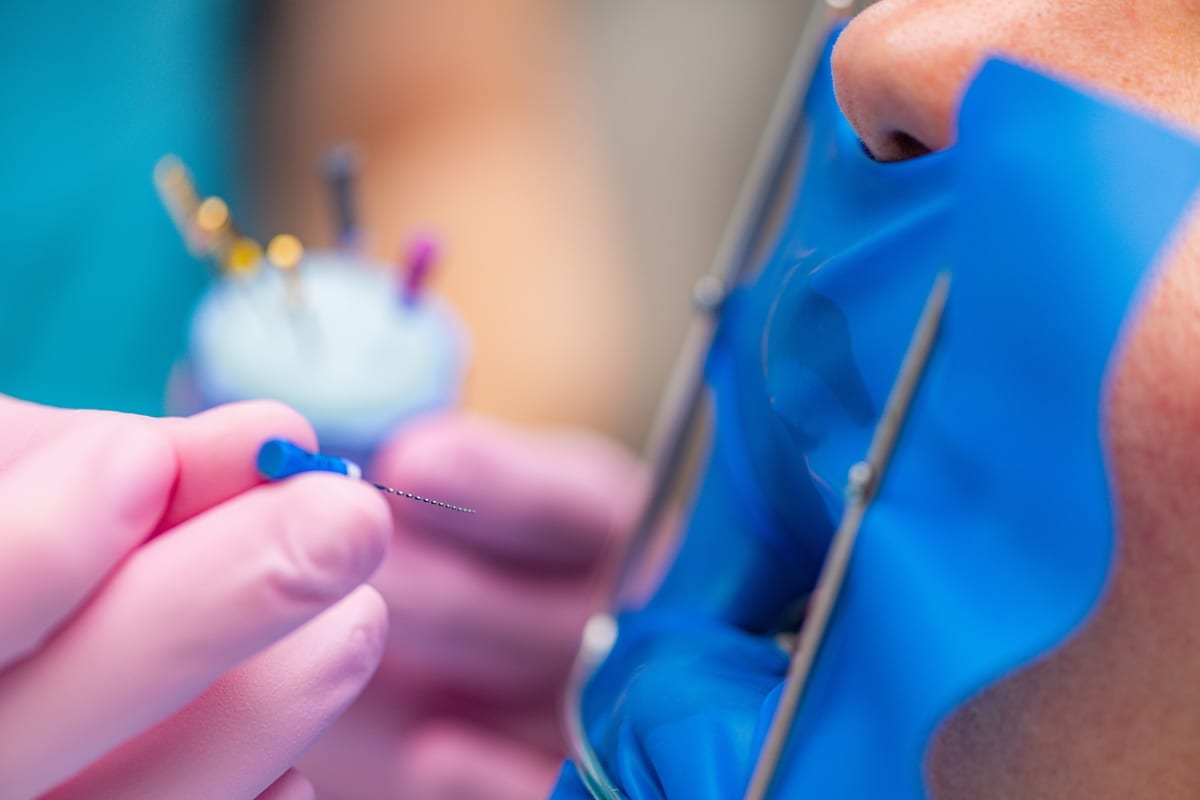
A root canal removes the infected pulp. Dr. Han cleans and disinfects the inner chambers. He then seals the space to prevent future infection.
Common signs you might need root canal treatment include:
- Severe toothache that worsens when chewing
- Prolonged sensitivity to hot or cold temperatures
- Darkening or discoloration of the tooth
- Swelling and tenderness in nearby gums
- A persistent pimple-like bump on your gums
Many Linton Hall residents delay treatment hoping the pain will resolve. Infection rarely heals on its own. Early intervention saves your natural tooth and prevents complications.
Will My Root Canal Treatment Hurt?
This question tops the list for nearly every patient. The reputation of root canal pain is largely outdated. Modern anesthesia and techniques make the procedure comfortable.
The truth is that the infection causes pain, not the treatment. Most patients feel immediate relief after the procedure. You’ll receive local anesthesia to completely numb the area.
During treatment, you shouldn’t feel pain. You may feel pressure or mild sensations. Dr. Han monitors your comfort throughout the appointment.
After the anesthesia wears off, some tenderness is normal. Your tooth and surrounding tissue need time to heal. Over-the-counter pain relievers typically manage any discomfort.
Most patients describe the experience as similar to getting a filling. The procedure eliminates the source of your pain. Many feel significantly better within 24 hours.
How Long Does Root Canal Treatment Actually Take?
Most root canals require one to two appointments. The complexity of your tooth determines the timeline. Front teeth typically need one visit.
Back teeth with multiple roots may require two appointments. The first visit removes infection and places medication. The second visit completes the sealing process.
Each appointment typically lasts 60 to 90 minutes. Dr. Han works efficiently while ensuring thorough treatment. He won’t rush through important steps.
Several factors influence treatment duration:
- The location of the affected tooth
- The number of roots and canals present
- The extent of infection or damage
- Whether prior dental work complicates access
- Your individual anatomy and healing response
During late spring in Linton Hall, many families schedule treatments around graduation ceremonies and school events. Planning ahead helps you fit treatment into your busy schedule. Contact our office to find appointment times that work for you.
Can I Drive Home After Root Canal Treatment?
Yes, you can drive yourself home after root canal treatment. The procedure uses local anesthesia only. This numbs your tooth and surrounding area without affecting your alertness.
You’ll feel completely capable of driving. Your coordination and judgment remain normal. Some patients feel more comfortable having someone accompany them for peace of mind.
The numbness in your mouth typically lasts two to four hours. Avoid eating until feeling returns completely. You don’t want to accidentally bite your cheek or tongue.
Most patients return to normal activities immediately. You might prefer to rest at home afterward. Listen to your body and take it easy if needed.
Plan light meals for the rest of the day. Soft foods reduce stress on the treated tooth. Avoid chewing directly on that side until Dr. Han places your permanent restoration.
What Should I Expect During Recovery?
Recovery from root canal treatment is typically straightforward. Most patients experience minimal disruption to their daily routine. Understanding normal healing helps you know what to expect.
Tenderness around the treated tooth is common for a few days. Your tooth may feel slightly different or sensitive. These sensations gradually fade as healing progresses.
Follow these guidelines for smooth recovery:
- Take pain relievers as recommended before numbness wears off
- Avoid chewing on the treated side until restoration is complete
- Maintain your regular oral hygiene routine
- Avoid extremely hard or sticky foods temporarily
- Attend your follow-up appointment to complete treatment
Most patients return to work or school the next day. Significant swelling or severe pain is unusual. Contact Haymarket Dental if you experience these symptoms.
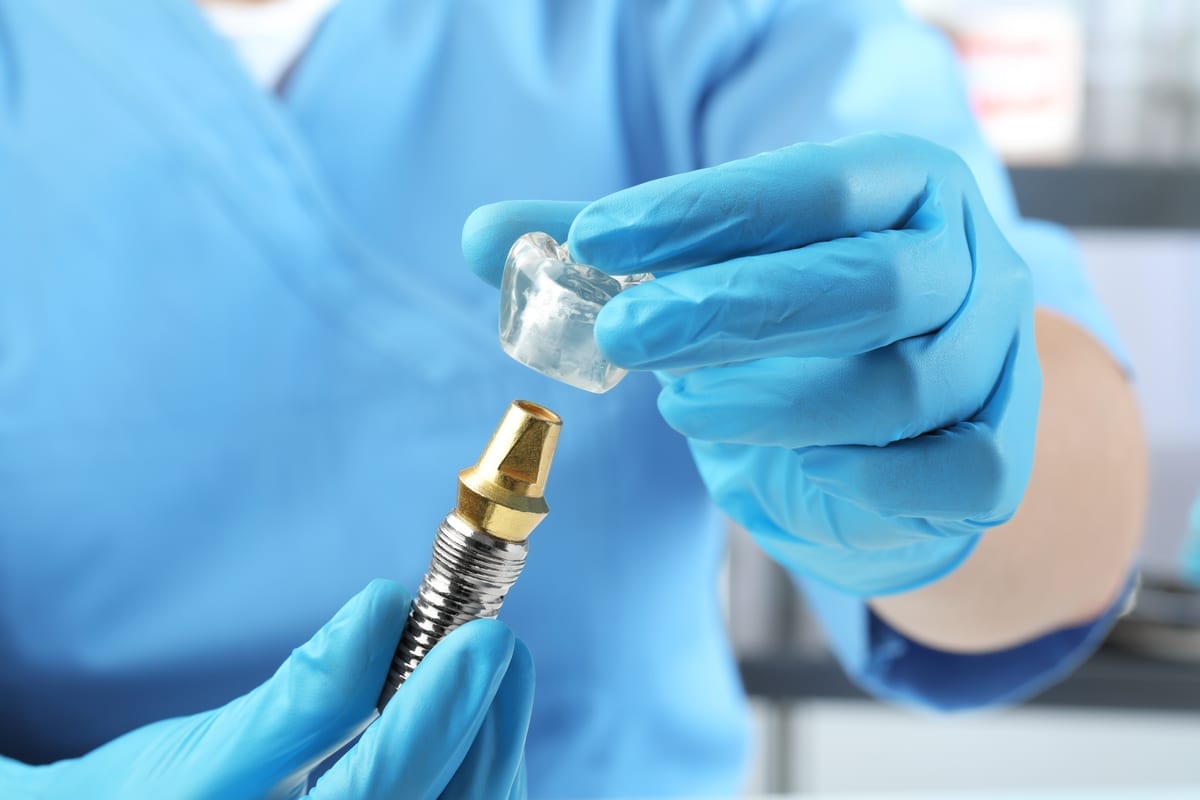
The temporary filling protects your tooth between appointments. It needs replacement with a permanent crown or filling. This final restoration strengthens your tooth for normal function.
How Successful Is Root Canal Treatment?
Root canal treatment has an excellent success rate. Studies show success rates above 95 percent when properly performed. Your treated tooth can last a lifetime with good care.
Several factors contribute to long-term success. Dr. Han’s experience and attention to detail matter significantly. Using advanced technology improves precision and outcomes.
The quality of your final restoration also affects longevity. A well-fitted crown protects the tooth from future damage. Following through with all recommended appointments is essential.
Your home care plays an important role too. Brush twice daily and floss regularly. Regular checkups at our practice catch potential problems early.
Occasionally, a tooth may need retreatment. This happens in less than 5 percent of cases. Persistent infection or new decay can require additional care.
Many Linton Hall patients worry about saving versus extracting teeth. Root canal treatment preserves your natural tooth. This maintains proper bite alignment and prevents neighboring teeth from shifting.
What Happens If I Don’t Get Root Canal Treatment?
Delaying or avoiding root canal treatment has serious consequences. The infection won’t resolve without intervention. It will continue spreading and causing damage.
Untreated infections can lead to abscesses. These painful pockets of pus affect surrounding bone and tissue. The infection may spread to other areas of your face and neck.
You risk losing the tooth entirely. Extraction becomes necessary when infection destroys too much structure. Replacing a lost tooth costs more than saving it.
Tooth loss creates additional problems:
- Neighboring teeth shift into the empty space
- Opposing teeth over-erupt without contact
- Bone loss occurs in the extraction area
- Chewing function becomes compromised
- Additional restorative work becomes necessary
Some patients hope antibiotics will cure the infection. Medications provide temporary relief but don’t eliminate the source. The bacteria remain inside your tooth.
Root canal treatment is the definitive solution. It removes infection while preserving your natural tooth. This approach offers the best long-term outcome for your oral health.
How Do I Care for My Tooth After Root Canal Treatment?
Caring for a tooth after root canal treatment is simple. The tooth functions like any other once healing completes. Proper maintenance ensures it lasts for years.
Brush and floss as you normally would. The treated tooth needs the same attention as others. Plaque and bacteria still accumulate on all surfaces.
Your tooth may feel slightly different initially. This sensation diminishes over time. Most patients forget which tooth received treatment after several weeks.
Schedule regular dental checkups every six months. Dr. Han monitors the treated tooth along with your overall oral health. Professional cleanings remove buildup your toothbrush can’t reach.
Avoid using your teeth as tools. Don’t open packages or bite hard objects. These habits can damage any tooth, especially one with a crown.
Wear a nightguard if you grind your teeth. Grinding places excessive force on all teeth. Protection prevents fractures in restored teeth.
As summer approaches here in Linton Hall, stay hydrated and maintain your oral hygiene routine. Changes in schedule during vacation season shouldn’t interrupt your dental care habits. Consistency keeps your smile healthy year-round.
Why Choose Haymarket Dental for Root Canal Treatment in Linton Hall?
Dr. Paul Han brings extensive experience to root canal therapy. He combines technical skill with a gentle, patient-centered approach. Your comfort and understanding remain priorities throughout treatment.
Haymarket Dental uses modern equipment and techniques. Digital imaging provides detailed views of tooth structure. This technology improves accuracy and reduces treatment time.
Our team explains each step before it happens. We answer your questions thoroughly. You’ll never feel rushed or confused about your treatment plan.
We serve patients throughout Linton Hall, Haymarket, and Gainesville. Our convenient location makes scheduling easy. We offer appointment times that fit busy family schedules.
Many patients tell us they wish they’d come sooner. The relief from pain and the ease of treatment surprise them. We’re committed to changing perceptions about root canal therapy.
Your natural tooth is worth saving. Root canal treatment offers a proven solution for infection and pain. With proper care, your treated tooth can function normally for life.
Don’t let fear or uncertainty delay necessary treatment. Dr. Han and our caring team make the experience as comfortable as possible. Learn More about how we can help you.
Frequently Asked Questions
Is root canal treatment covered by dental plans?
Coverage varies by individual plan. We recommend contacting your provider directly to understand your specific benefits and any out-of-pocket costs you may have.
How soon should I schedule root canal treatment after diagnosis?
Schedule treatment as soon as possible after diagnosis. Delays allow infection to spread and may complicate treatment. Early intervention produces the best outcomes and prevents additional problems.
Can all teeth be saved with root canal treatment?
Most teeth respond well to root canal therapy. However, extensive damage or severe bone loss may make extraction necessary. Dr. Han evaluates your specific situation and discusses all options with you.
Will I need a crown after my root canal?
Most teeth require crowns after root canal treatment. Back teeth especially need this protection due to chewing forces. Front teeth sometimes need only a filling. Dr. Han recommends the best restoration for your tooth.
How long does a tooth last after root canal treatment?
A properly treated tooth can last your entire lifetime. Success depends on the quality of treatment, your final restoration, and your home care habits. Regular dental visits help ensure long-term success.