We are not a registered Medicare/Medicaid Provider

If you’ve been researching tooth replacement options, you may have noticed that dental implants carry a higher price tag than alternatives. Understanding why dental implants cost more than you might expect in Haymarket helps patients make confident, informed decisions. At Haymarket Dental, Dr. Paul Han believes every patient deserves a clear picture of what they’re investing in — and why that investment matters for long-term oral health.
Dental implants aren’t just a cosmetic fix. They are a complete tooth replacement system designed to last decades with proper care. That complexity is a big part of what drives the cost.
What Makes Dental Implant Pricing Different From Other Treatments
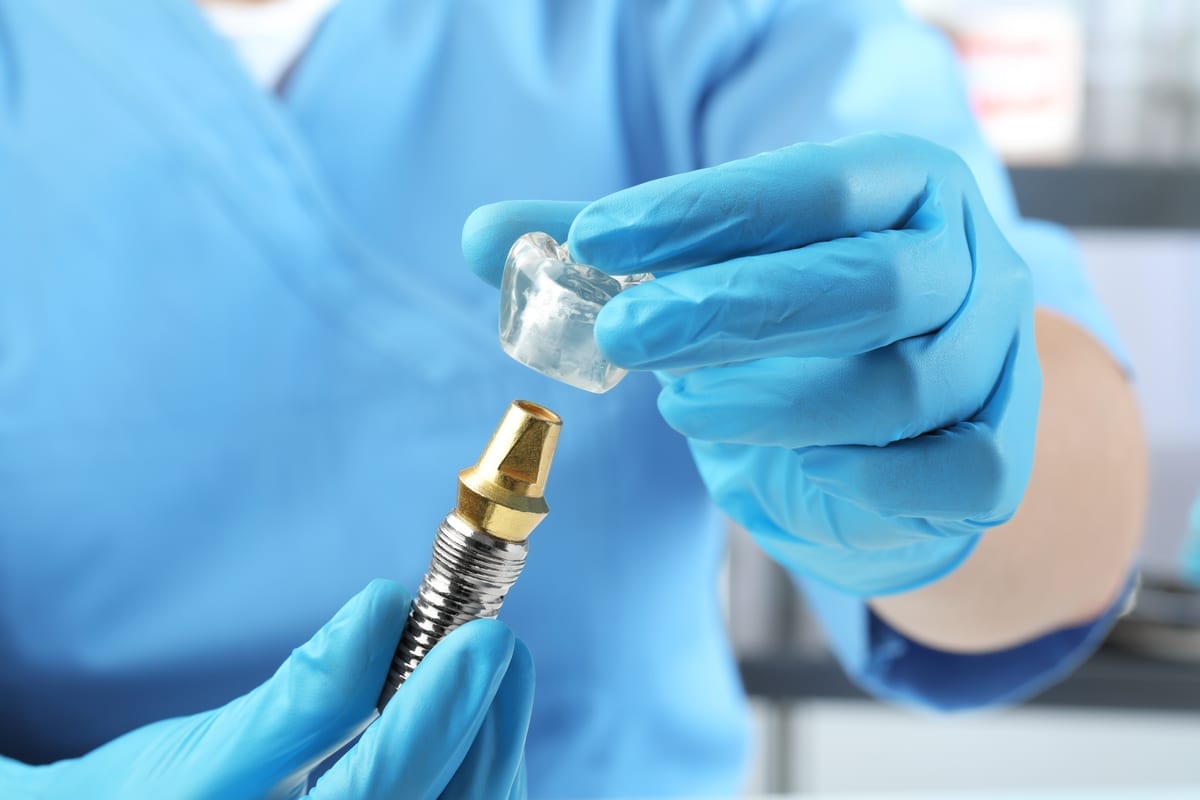
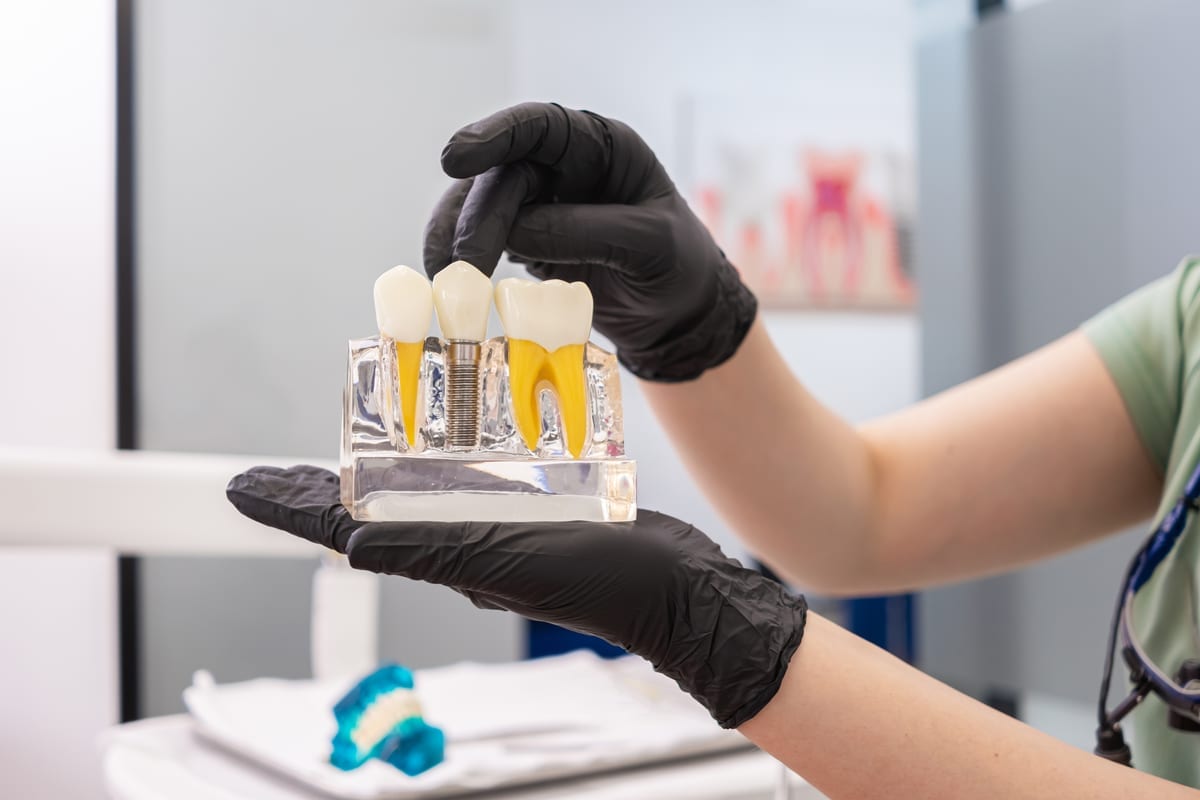
Unlike a simple filling or cleaning, a dental implant involves multiple components working together. Each part — the titanium post, the abutment, and the crown — is individually crafted and placed. That multi-stage process requires specialized training, precision equipment, and significant time.
Dr. Han uses advanced imaging technology to plan every implant procedure. Cone beam CT scans provide a three-dimensional view of your jawbone. This level of detail reduces risk and improves accuracy — but it also adds to the overall cost of care.
The materials themselves carry significant value. Titanium is biocompatible and incredibly durable. Porcelain crowns are custom-shaded to match your natural teeth. These aren’t off-the-shelf products — they’re precision-made restorations built specifically for your mouth.
Why Dental Implants Cost More Than You Might Expect in Haymarket: The Full Scope of Treatment
Many patients are surprised to learn that implant pricing reflects an entire treatment journey, not just a single appointment. From your initial consultation to the final crown placement, the process can span several months. Each phase involves skilled clinical work and lab fees.
Here is a breakdown of what the implant process typically includes:
- Comprehensive oral exam and 3D imaging
- Tooth extraction if needed before placement
- Bone grafting to build adequate jawbone support
- Surgical placement of the titanium implant post
- A healing period allowing the implant to fuse with the bone
- Placement of the abutment connector
- Custom crown fabrication and final attachment
Not every patient needs every step. Some cases are straightforward. Others require bone grafting or multiple preparatory procedures. Each added step reflects genuine clinical necessity — and adds to the total investment.
Factors That Influence the Total Cost of Your Implant
No two implant cases are identical. Several factors affect the final price of your treatment at Haymarket Dental.
These include:
- Number of implants needed: Replacing one tooth costs less than replacing several.
- Bone density and volume: A weak or thin jawbone may require grafting before implant placement.
- Location in the mouth: Back teeth face more chewing pressure and may require stronger restorations.
- The type of restoration used: A single crown differs in cost from implant-supported bridges or full-arch options.
- Pre-treatment dental work: Existing gum disease or decay must be resolved before implants can succeed.
During your consultation, Dr. Han evaluates all of these factors. You’ll receive a detailed treatment plan with transparent pricing before any procedure begins. There are no surprises at Haymarket Dental.
The Long-Term Value of Choosing Dental Implants
It’s tempting to compare the upfront cost of implants to cheaper alternatives like dentures or bridges. However, that comparison doesn’t tell the whole story. Implants are designed to last a lifetime with proper care.
Traditional dentures often need to be replaced or relined every several years. Dental bridges require grinding down healthy adjacent teeth. Implants preserve your jawbone, protect neighboring teeth, and function exactly like natural teeth.
From a long-term perspective, implants frequently prove to be the more cost-effective choice. Fewer replacements and fewer complications mean lower cumulative costs over time. They also support better nutrition, clearer speech, and greater confidence — benefits that are hard to put a price on.
Patients who invest in Cosmetic Dentistry solutions like implants often report life-changing improvements in self-esteem and daily function. That quality-of-life return is a significant part of the value equation.
Making Dental Implants More Affordable in Haymarket
The cost of dental implants doesn’t have to be a barrier. Haymarket Dental offers flexible financing options to help patients manage treatment comfortably. Breaking payments into manageable monthly amounts makes high-quality care accessible for more people.
In-house financing and third-party payment plans are both available. Dr. Han’s team works with you to find a financial arrangement that fits your situation. You don’t have to delay your oral health to manage your budget.
It also helps to think of implants as a health investment rather than a luxury expense. Neglecting tooth loss leads to bone deterioration, shifting teeth, and costly complications down the road. Early intervention often saves money in the long run.
Maintaining your overall oral health through regular visits supports the success of any implant treatment. Patients who stay consistent with preventive care — a core part of our Family Dentistry services — tend to have better implant outcomes and fewer complications over time.
Is a Dental Implant Right for You?
Not everyone is an immediate candidate for dental implants. Good candidates typically have adequate bone volume, healthy gums, and a commitment to oral hygiene. Dr. Han conducts a thorough evaluation before recommending any treatment path.
If bone loss has occurred, grafting procedures can often restore enough volume to support an implant. Age is rarely a limiting factor for adults. What matters most is overall oral and systemic health.
Dr. Han takes a conservative, patient-first approach. If implants aren’t the right fit for your current situation, he’ll discuss alternatives honestly. The goal is always the best long-term outcome for your oral health — not the most expensive option.
Start Your Implant Consultation at Haymarket Dental
Understanding why dental implants cost more than you might expect in Haymarket empowers you to plan ahead with confidence. The investment reflects precision materials, advanced technology, multiple clinical stages, and lasting results. Dr. Paul Han and the Haymarket Dental team are here to guide you through every step with transparency and care. Book Now to schedule your appointment with our team.
Frequently Asked Questions
Why do dental implants cost more than dentures or bridges?
Dental implants involve a multi-stage surgical process, precision-crafted materials, and advanced imaging technology. They are designed to last a lifetime, which contributes to a higher upfront cost compared to dentures or bridges. However, their long-term durability often makes them more cost-effective over time.
Does everyone need bone grafting before getting an implant?
Not every patient requires bone grafting. However, if the jawbone has deteriorated due to tooth loss or gum disease, grafting may be necessary to create a stable foundation for the implant. Dr. Han evaluates bone volume during your initial consultation using 3D imaging.
How long does the entire dental implant process take?
The implant process typically spans several months from start to finish. This includes the consultation, any preparatory procedures, implant placement, a healing period for osseointegration, and final crown attachment. The timeline varies depending on each patient’s unique clinical needs.
Are financing options available for dental implants at Haymarket Dental?
Yes. Haymarket Dental offers flexible financing options to help patients manage the cost of implant treatment. Both in-house payment plans and third-party financing may be available. The team works with each patient to find a payment solution that fits their budget.
Can I get dental implants if I have existing gum disease?
Existing gum disease must be treated and resolved before implant placement can proceed. Healthy gum tissue and bone are essential for implant success. Dr. Han will assess your periodontal health during your evaluation and recommend any necessary treatment before beginning the implant process.