We are not a registered Medicare/Medicaid Provider

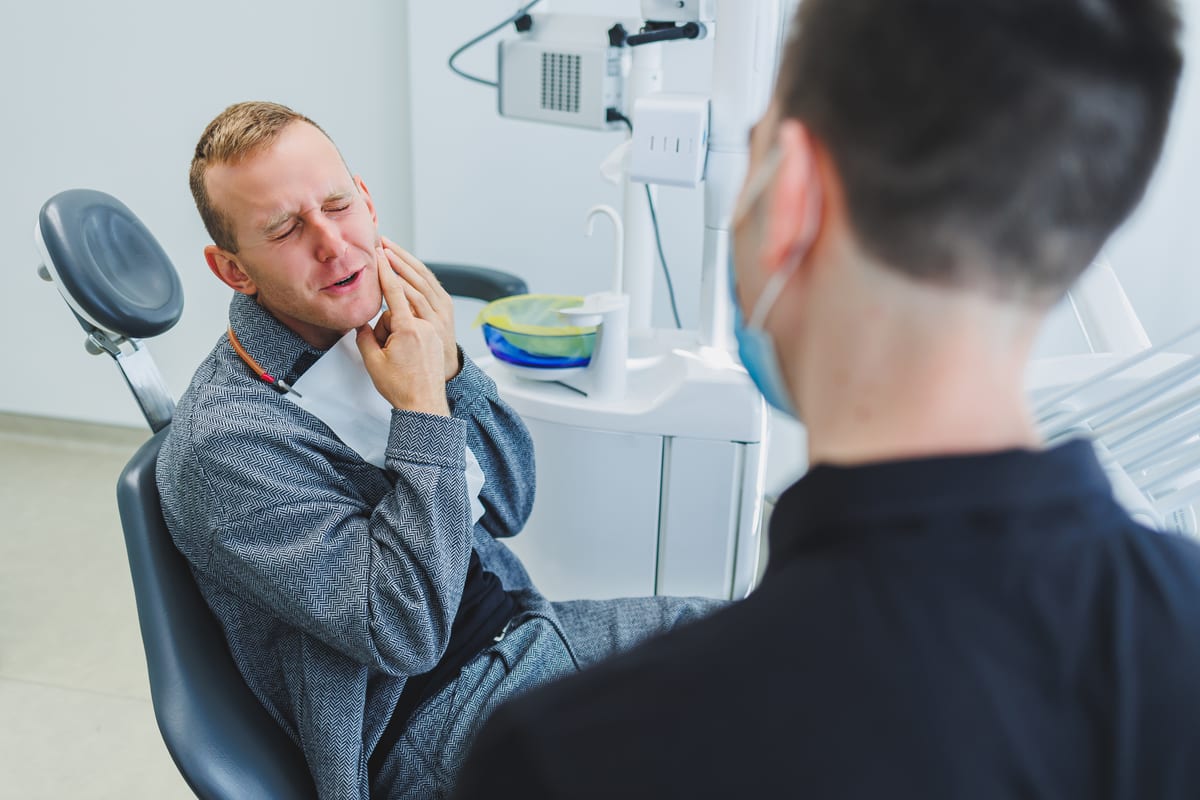
A broken tooth can happen when you least expect it. Whether it’s a sports collision, a hard piece of food, or an accidental fall, the pain and panic can feel overwhelming. This guide is your go-to resource for managing a broken tooth before reaching the dentist in Haymarket. Knowing the right steps can protect your tooth and reduce complications significantly.
At Haymarket Dental, Dr. Paul Han and the team understand how frightening dental emergencies can be. That’s why we’re committed to giving Haymarket residents the information they need to act quickly and confidently.
Understanding What ‘Broken Tooth’ Really Means
Not all broken teeth look the same. Some teeth chip slightly at the surface. Others crack deeply into the root or break off entirely. Each type of break carries different risks and requires different care.
A minor chip might only affect the outer enamel. A serious fracture can expose the pulp — the living tissue inside the tooth. When the pulp is exposed, bacteria can enter and cause infection quickly.
Cracks are especially tricky because they’re not always visible. You might feel sharp pain when biting or notice sensitivity to hot and cold foods. These are signs a crack may run deeper than the surface.
Understanding the severity helps you prioritize your next steps. Even a small break deserves professional attention as soon as possible.
Broken Tooth First Aid: Step-by-Step Before You Reach the Dentist in Haymarket
Acting quickly after breaking a tooth can make a real difference. Follow these steps to protect your tooth and manage discomfort before your appointment.
- Rinse your mouth gently with warm water to remove debris and blood.
- Apply gentle pressure with clean gauze if there is bleeding — hold it for 10 minutes.
- Save any broken pieces in a small container with milk or saliva if possible.
- Apply a cold compress to the outside of your cheek to reduce swelling.
- Take over-the-counter pain relief such as ibuprofen to manage pain — follow label directions.
- Cover sharp edges with dental wax or sugar-free gum to protect your tongue and cheeks.
- Call your dentist immediately — don’t wait to see if it gets better on its own.
These steps won’t fix the tooth, but they stabilize the situation. They reduce the risk of further damage and infection until you receive professional care.
What You Should Absolutely Avoid After Breaking a Tooth
What you don’t do is just as important as what you do. Certain habits can make a cracked or broken tooth significantly worse before you reach the dentist.
- Don’t chew on the affected side — pressure worsens cracks and may break the tooth further.
- Avoid extremely hot or cold foods and drinks — they increase sensitivity and pain.
- Don’t use aspirin directly on the gum tissue — it can cause chemical burns to soft tissue.
- Never ignore the pain — pain signals something is wrong and shouldn’t be dismissed.
- Don’t skip your dental appointment — even if the pain subsides, the underlying damage remains.
Many people make the mistake of waiting to see if the tooth