We are not a registered Medicare/Medicaid Provider

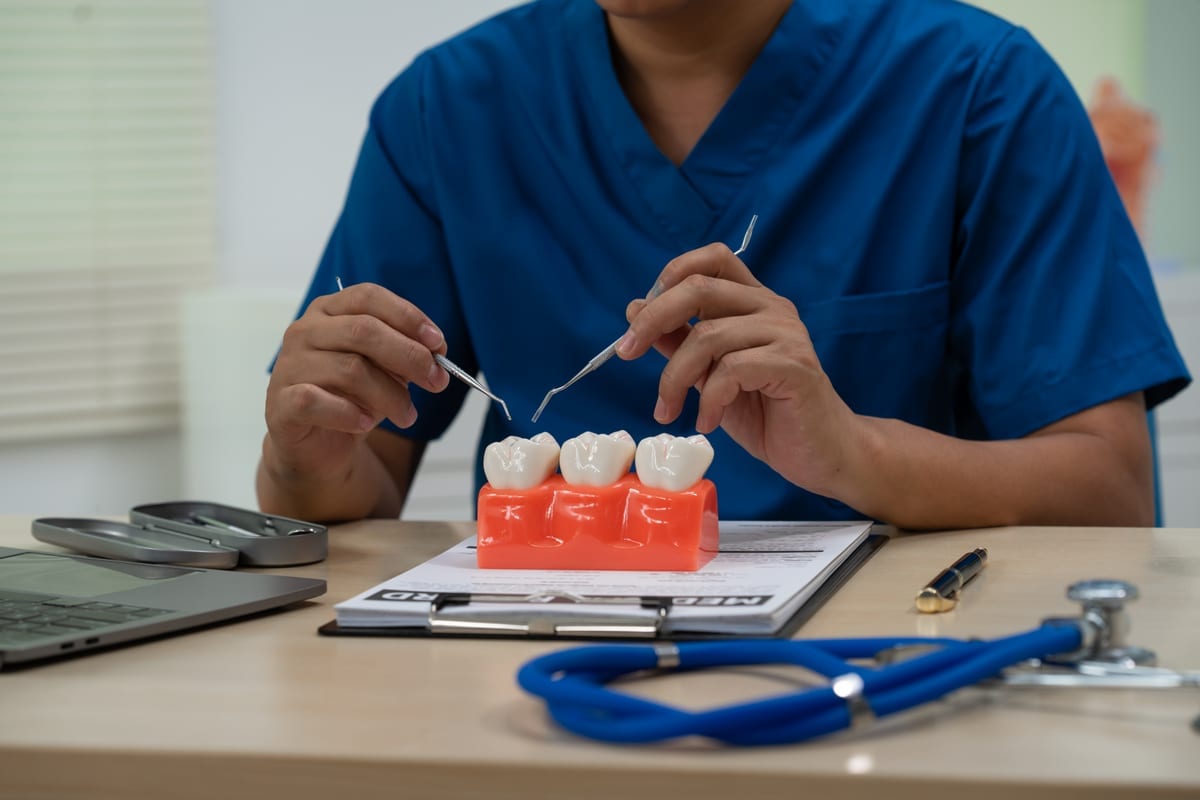
Dental crowns last 15 years or more—here’s what ruins them in Haymarket before that milestone ever arrives. A crown is a long-term investment in your smile. But certain habits and conditions silently shorten its lifespan. Understanding what threatens your crown helps you protect it for the long haul.
How Long Do Dental Crowns Really Last in Haymarket?
Most dental crowns last between 10 and 15 years. Many crowns survive 20 years or longer with proper care. The material, your bite, and your daily habits all play a role. Porcelain, zirconia, and metal crowns each have different durability profiles.
Zirconia crowns are among the most durable options available today. Porcelain crowns look natural but can chip under heavy pressure. Metal crowns are extremely strong but less cosmetically ideal. Dr. Paul Han at Haymarket Dental helps patients choose the right material for their lifestyle.
Your crown’s longevity also depends on where it sits in your mouth. Back teeth handle more chewing force than front teeth. That extra pressure means back-tooth crowns often wear faster. Regular checkups help catch early wear before it becomes a bigger problem.
What Ruins a Dental Crown Early—Common Culprits in Haymarket
Several habits and conditions can destroy a crown years ahead of schedule. Knowing these risks lets you take action before damage occurs. Many patients are surprised to learn how everyday choices matter. Small changes can add years to your crown’s life.
Here are the most common reasons crowns fail early:
- Teeth grinding (bruxism): Nighttime grinding puts extreme pressure on crowns. This cracks porcelain and loosens the cement seal over time.
- Chewing hard foods: Ice, hard candy, and popcorn kernels can chip or fracture crowns. Even crusty bread can stress the crown edge.
- Poor oral hygiene: Decay can form at the crown margin where it meets the tooth. Bacteria sneak under a loose crown and attack the natural tooth below.
- Nail biting and pen chewing: These habits apply uneven, repetitive pressure. That wears down crown material faster than normal chewing does.
- Using teeth as tools: Opening packages or bottles with your teeth risks instant crown fracture. This is one of the most preventable causes of crown damage.
Teeth grinding deserves special attention because many people don’t know they do it. It happens mostly during sleep, so patients are unaware. A custom nightguard from Dr. Han protects your crown while you sleep. It is one of the simplest ways to extend your crown’s lifespan significantly.
Signs Your Crown in Haymarket Needs Replacing
Crowns don’t always fail dramatically. Often, the warning signs are subtle and easy to dismiss. Catching these signals early prevents more costly treatment later. If you notice any of the following, schedule a visit with Dr. Han soon.
Watch for these warning signs that your crown may need attention:
- Sensitivity to hot, cold, or sweet foods that wasn’t there before
- Pain when biting down or chewing on that tooth
- A visible crack, chip, or rough edge on the crown surface
- Gum recession or swelling around the base of the crown
- A crown that feels loose or shifts slightly when you press it
- Persistent bad taste or odor near the crowned tooth
Sensitivity is often the first sign something is wrong. It may mean the cement seal has weakened. Bacteria and fluid can then reach the tooth underneath. That sets the stage for decay beneath the crown.
A loose crown is an urgent situation. Never leave a loose crown untreated, even if it feels minor. Without a tight seal, the underlying tooth decays rapidly. Call Haymarket Dental right away if your crown feels unstable.
How to Make Your Dental Crown Last Longer
Good habits genuinely extend crown life by years. The effort required is minimal compared to the cost of early replacement. Most protective steps are things you should already be doing. This is where Family Dentistry Haymarket guidance makes a real difference in long-term outcomes.
Follow these practical steps to protect your crown investment:
- Brush twice daily with a soft-bristled toothbrush
- Floss carefully around the crown margin every day
- Use a fluoride toothpaste to strengthen the tooth at the crown edge
- Wear a nightguard if Dr. Han has identified grinding habits
- Avoid chewing ice, hard candies, and overly sticky foods
- Attend routine checkups every six months without skipping
Flossing around a crown requires a gentle technique. Slide floss in carefully rather than snapping it down hard. Aggressive flossing can dislodge the crown’s cement over time. Ask our team to demonstrate the correct method at your next visit.
Routine checkups allow Dr. Han to measure crown wear and check the seal. X-rays reveal decay that starts beneath the crown surface. Catching issues at this stage costs far less than a full replacement. Prevention is always more affordable than repair.
Crowns as Part of a Complete Smile Plan in Haymarket
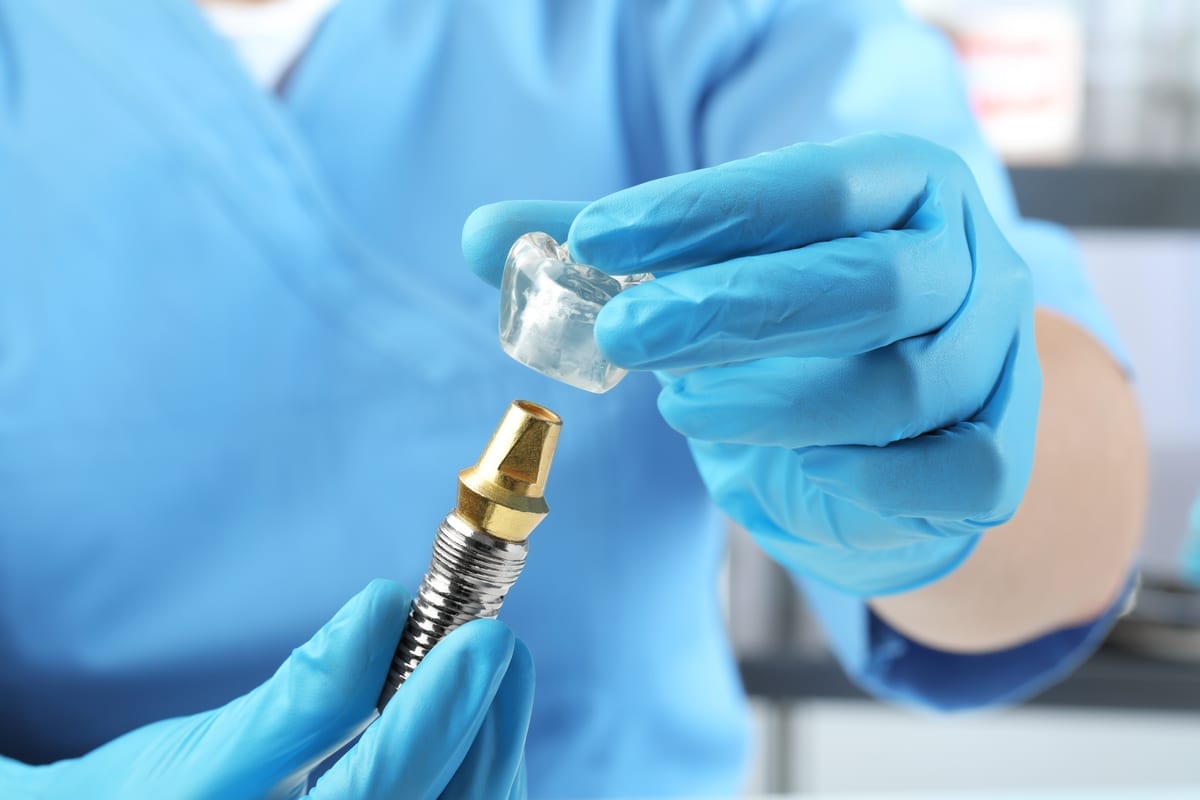
Dental crowns often work alongside other treatments to restore or enhance smiles. They cap teeth after root canals, anchor bridges, and complete implants. They also play a role in full-mouth Cosmetic Dentistry Haymarket makeovers for patients wanting a transformed appearance. Understanding crowns in context helps you make smarter decisions about your overall dental health.
Some patients combine crowns with veneers, whitening, or orthodontics. Others need crowns purely for function after tooth damage or decay. Either way, the crown needs the same diligent care. A beautiful smile is only as strong as the maintenance behind it.
Dr. Paul Han takes time to explain every treatment option clearly. He considers your lifestyle, bite, and long-term goals before recommending a crown. That personalized approach is what sets Haymarket Dental apart from a one-size-fits-all practice. You deserve a plan built specifically for your mouth.
Conclusion: Protect Your Crown Investment in Haymarket
Dental crowns are designed to last. With the right care, yours can easily reach the 15-year mark and beyond. Avoiding hard foods, wearing a nightguard, and keeping up with hygiene make a measurable difference. Don’t let preventable habits rob you of years of crown life.
If you notice sensitivity, looseness, or visible damage, act quickly. Early intervention saves your crown and protects the tooth underneath. Dr. Paul Han and the team at Haymarket Dental are here to help you get the most from every dental restoration. Book Now to schedule your appointment with our team.
Frequently Asked Questions
How long do dental crowns typically last?
Most dental crowns last between 10 and 15 years. With excellent care, many crowns survive 20 years or more. Material choice, bite force, and daily habits all influence how long your crown remains intact. Regular checkups help Dr. Han monitor wear and catch problems early.
Can a dental crown fall off, and what should I do?
Yes, crowns can become loose or fall off entirely. This usually happens when the cement seal weakens or decay forms underneath. If your crown falls off, save it and contact Haymarket Dental as soon as possible. Do not leave the tooth unprotected for long, as it becomes vulnerable to damage and decay.
Does teeth grinding really damage dental crowns?
Grinding puts intense, repetitive pressure on crowns that far exceeds normal chewing force. Over time, this cracks porcelain surfaces and weakens the cement seal underneath. A custom nightguard from Dr. Han can protect your crown while you sleep. Many patients extend their crown’s lifespan significantly simply by wearing one consistently.
What foods should I avoid to protect my dental crown?
Avoid chewing ice, hard candies, popcorn kernels, and sticky foods like caramel. These either crack the crown material or pull at the cement seal. Crunchy foods like crusty bread are fine in moderation but should be chewed carefully. Using common sense about hard or chewy items goes a long way toward protecting your investment.
How do I know if decay is forming under my crown?
Decay beneath a crown often starts silently without obvious pain. Early warning signs include new sensitivity to temperature or a slight ache when biting. X-rays taken during routine checkups are the most reliable way to detect hidden decay. This is one of the key reasons biannual dental visits matter so much for crown longevity.