We are not a registered Medicare/Medicaid Provider

Dental Implants in Haymarket, VA: What You Need to Know
If you are missing one or more teeth, you are not alone. Millions of Americans face this challenge every year. Dental Implants Haymarket patients seek at our practice offer a long-lasting, natural-looking solution. At Haymarket Dental, Dr. Paul Han helps patients restore their smiles with confidence and comfort.
Understanding your options is the first step. This guide will walk you through everything about dental implants. We cover how they work, who qualifies, and what the process looks like. Our goal is to give you honest, clear information so you can make the best decision for your health.
What Are Dental Implants and How Do They Work?
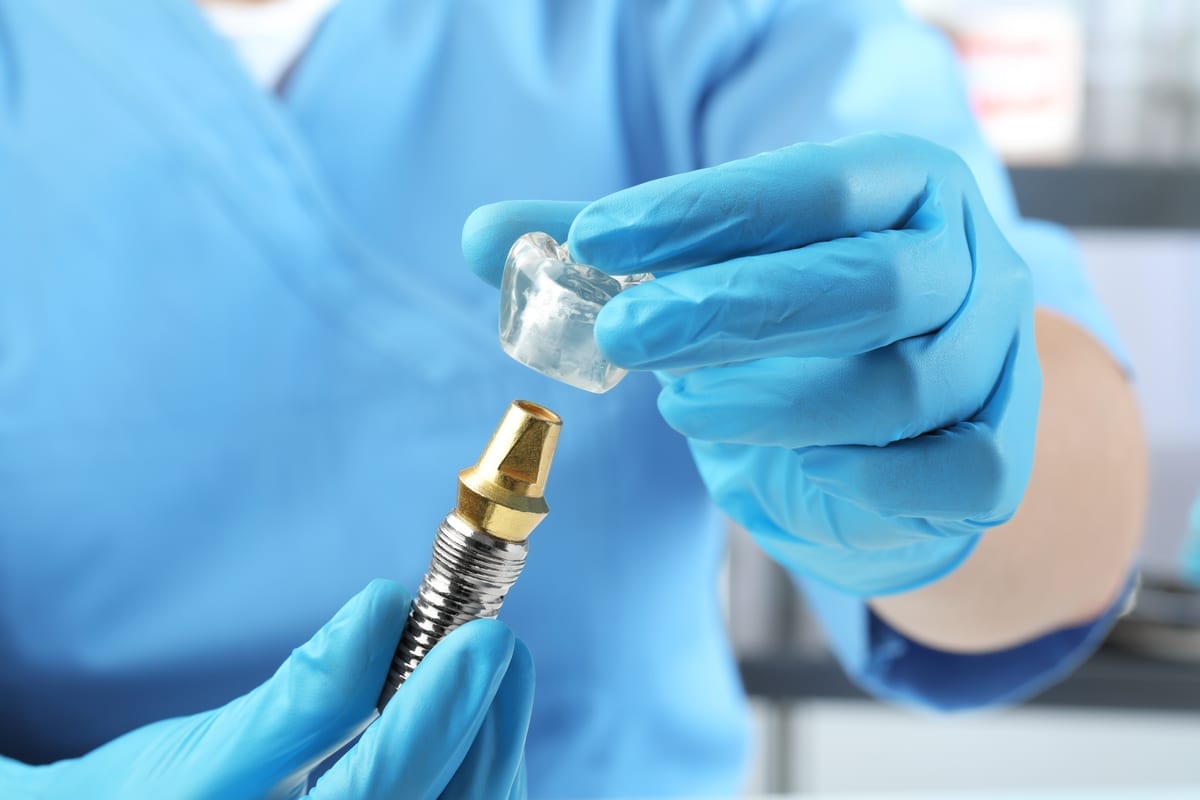
A dental implant is a small titanium post. It is surgically placed into your jawbone where a tooth is missing. Over time, the post fuses with the bone through a process called osseointegration. This creates a stable, permanent foundation for a replacement tooth.
Once the implant heals, a custom-made crown is attached on top. The crown looks and functions just like a natural tooth. You can eat, speak, and smile without worrying about it shifting. This is one reason implants are considered the gold standard in tooth replacement.
Unlike removable dentures, implants do not rest on your gums. They become part of your jaw structure. This helps preserve the bone and prevents the sunken appearance that can occur after tooth loss. The result is a healthier, more youthful facial profile.
Am I a Good Candidate for Dental Implants in Haymarket?
Most healthy adults are good candidates for dental implants. However, certain factors affect your eligibility. Dr. Han evaluates each patient individually before recommending a treatment plan. A thorough exam and imaging help determine if implants are right for you.
Key factors that affect candidacy include:
- Sufficient jawbone density to support the implant
- Healthy gums free from active periodontal disease
- Good overall health and no uncontrolled chronic conditions
- Non-smoker or willingness to quit, since smoking slows healing
- Commitment to regular dental care and oral hygiene
If you have experienced bone loss, you may still qualify. Bone grafting can rebuild the jaw before implant placement. Dr. Han will discuss all options with you during your consultation. Many patients who thought they were not candidates find a path forward with proper planning.
Age is also a consideration. Implants are typically recommended for adults whose jawbones have fully developed. Teenagers and adolescents usually need to wait until growth is complete. Your dentist will help determine the right timing for your situation.
The Dental Implant Process: Step by Step
The implant process takes place over several months. This timeline allows your body to heal properly at each stage. While it requires patience, the long-term results are worth it. Here is what you can generally expect:
- Initial Consultation: Dr. Han reviews your dental history, takes X-rays, and discusses your goals.
- Bone Grafting (if needed): If bone volume is insufficient, grafting is performed first.
- Implant Placement: The titanium post is surgically inserted into the jawbone under local anesthesia.
- Osseointegration: Over three to six months, the implant fuses with the surrounding bone.
- Abutment Placement: A small connector piece is attached to the top of the healed implant.
- Crown Placement: A custom crown is fabricated and secured to complete your new tooth.
Each step is carefully planned to ensure the best outcome. Dr. Han uses modern imaging technology throughout the process. This helps with precise placement and reduces risk. You will always know what to expect before any procedure begins.
Recovery after implant placement is manageable for most patients. Mild swelling and discomfort are normal in the first few days. Over-the-counter pain relief and a soft diet usually help. Most patients return to normal activities within a day or two.
Benefits of Dental Implants Compared to Other Options
There are several ways to replace missing teeth. Options include dentures, bridges, and implants. Each has its advantages, but implants offer distinct long-term benefits. Understanding the differences helps you make a well-informed choice.
Here are some key benefits of dental implants:
- They look, feel, and function like natural teeth
- They preserve jawbone and prevent bone loss
- They do not require altering adjacent healthy teeth
- They are designed to last many years with proper care
- They improve speech, chewing ability, and confidence
- They are easy to clean — just brush and floss as normal
For patients interested in replacing multiple missing teeth, Implant Secured Dentures are another excellent option. These combine the stability of implants with the coverage of dentures. Dr. Han can help you decide which approach best fits your needs and goals.
If you are only missing one tooth and have healthy neighbors on both sides, a Dental Bridge may also be worth considering. Bridges are a more traditional solution that can work well in certain situations. Your dentist will explain the pros and cons of each option honestly.
Caring for Your Dental Implants Long-Term
One of the biggest advantages of implants is how easy they are to maintain. You care for them just like natural teeth. Brushing twice daily and flossing once a day keeps them clean and healthy. Regular dental checkups are also essential for long-term success.
Avoid habits that can damage your implants. These include chewing ice, grinding your teeth, or using teeth as tools. If you grind at night, ask Dr. Han about a custom nightguard. Protecting your implants helps them last as long as possible.
Gum health is equally important after implant placement. Healthy gums support the implant and help prevent infection. Conditions like peri-implantitis — an infection around the implant — can develop if hygiene is neglected. Staying consistent with your oral care routine prevents this problem.
Patients who invest in good oral hygiene enjoy excellent outcomes with implants. Many implants last decades when properly cared for. This makes them one of the most cost-effective long-term solutions available. Think of them as a permanent investment in your health and quality of life.
For patients who want to enhance the appearance of surrounding teeth after implant treatment, our Restorative Dentistry services offer additional options. A complete smile makeover is possible with a personalized treatment plan from Dr. Han.
Why Choose Haymarket Dental for Your Implant Treatment?
Dr. Paul Han is an experienced and compassionate provider. He takes time to understand each patient’s unique concerns and goals. His approach combines clinical expertise with genuine care for your comfort. Patients throughout Haymarket and Prince William County trust his work.
At Haymarket Dental, we use advanced technology for precise diagnostics and planning. Our team creates a comfortable, welcoming environment for every visit. We believe informed patients make better decisions about their care. That is why education is at the heart of everything we do.
We encourage you to reach out with any questions about dental implants. No question is too small or too basic. Our team is here to guide you every step of the way. Book Now to schedule your consultation with our team.
Frequently Asked Questions
How long do dental implants last?
With proper care, dental implants can last many decades. The titanium post is designed to be a permanent fixture in your jaw. The crown on top may need replacement after 10 to 15 years due to normal wear. Good oral hygiene and regular dental visits are key to maximizing implant lifespan.
Does dental implant surgery hurt?
Most patients report less discomfort than expected. The procedure is performed under local anesthesia, so you should not feel pain during placement. Some soreness and mild swelling are normal in the days after surgery. Over-the-counter pain medication and a soft diet usually manage this well.
How many teeth can be replaced with implants?
Implants can replace a single tooth, multiple teeth, or even a full arch. For patients missing many or all teeth, implant-supported options like full-arch restorations are available. Dr. Han will evaluate your specific situation and recommend the most appropriate solution for you.
Is there an age limit for getting dental implants?
There is no upper age limit for dental implants. Older adults can be excellent candidates as long as they are in good overall health. The main consideration is that patients should have a fully developed jawbone, which typically occurs in early adulthood. Dr. Han assesses each patient individually regardless of age.
What is the difference between a dental implant and a crown?
A dental implant is the titanium post that replaces the tooth root in the jawbone. A Dental Crown is the visible tooth-shaped cap placed on top of the implant. Together, they create a complete replacement tooth. Crowns can also be used to restore damaged natural teeth without an implant.