We are not a registered Medicare/Medicaid Provider

Dental Implants: A Complete Guide to Tooth Replacement
Dental Implants are one of the most effective solutions for replacing missing teeth. They look, feel, and function like natural teeth. Our dental team at Haymarket Dental wants you to feel fully informed before making any decisions. This guide covers everything you need to know about the implant process.
What Are Dental Implants?
A dental implant is a small titanium post. It is placed into the jawbone where a tooth is missing. Over time, the bone fuses with the post in a process called osseointegration. This creates a stable foundation for a replacement tooth.
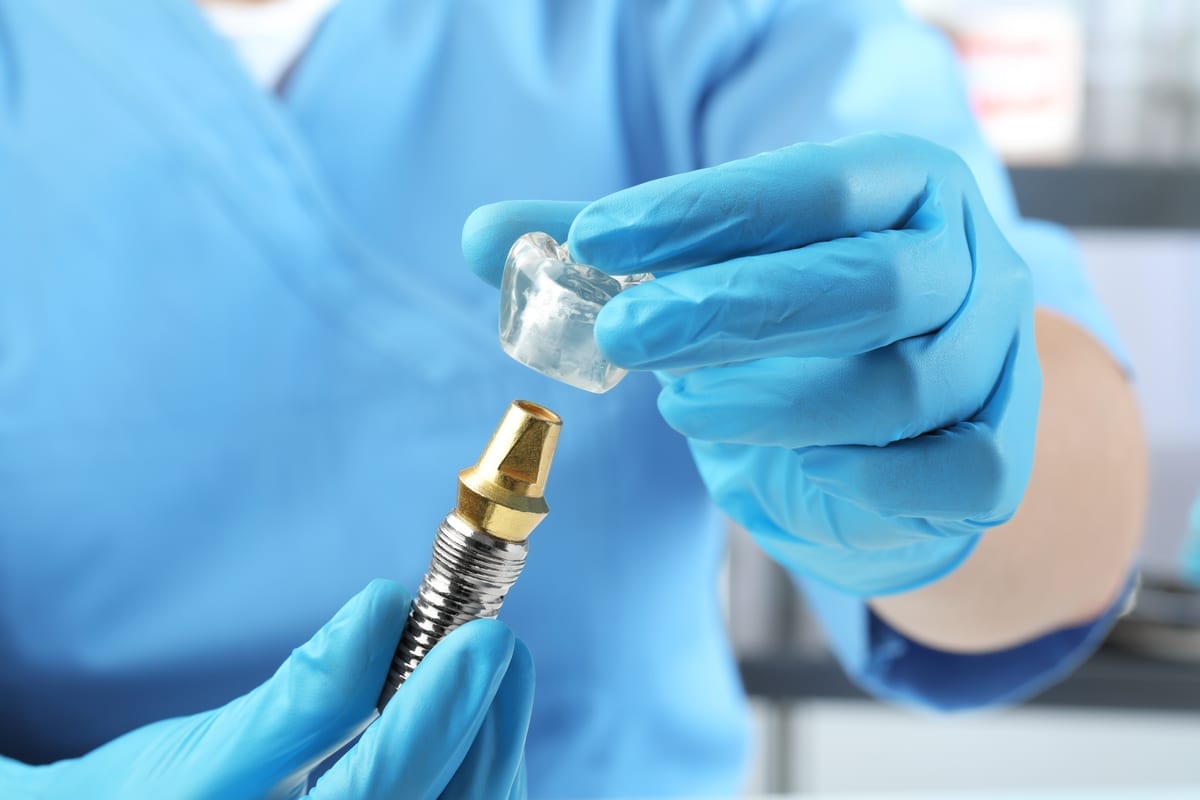
Once the implant bonds with the bone, a crown is attached on top. The crown is custom-made to match your natural teeth. Most people cannot tell the difference between an implant and a real tooth. That is what makes this treatment so popular worldwide.
Implants are not just cosmetic. They also protect your jawbone from shrinking after tooth loss. A healthy jawbone is essential for overall facial structure. Replacing a missing tooth early helps preserve that structure.
Who Is a Good Candidate for Dental Implants?
Most healthy adults are good candidates for implants. However, certain conditions need to be evaluated first. Bone density, gum health, and overall medical history all play a role. Our dental team will review your full health profile before recommending treatment.
Good candidates typically share these characteristics:
- They have one or more missing teeth
- Their jawbone is fully developed
- They have adequate bone to support the implant
- Their gums are healthy and free of active disease
- They do not smoke, or are willing to quit during healing
- They are committed to good oral hygiene habits
Patients with certain medical conditions may need extra evaluation. Uncontrolled diabetes or bone disorders can affect healing. That does not automatically disqualify someone. It simply means the treatment plan must be carefully tailored.
The Dental Implant Process: Step by Step
Understanding the process helps reduce anxiety. The implant journey typically takes several months. Each stage is important and cannot be rushed. Here is a breakdown of what to expect.
- Consultation and imaging: Your dental team takes X-rays and 3D scans. They assess bone density and plan the implant placement precisely.
- Tooth extraction (if needed): If the damaged tooth is still present, it is removed first. Healing time is allowed before moving forward.
- Implant placement: The titanium post is surgically placed into the jawbone. Local anesthesia is used to keep you comfortable throughout.
- Osseointegration: The bone grows around the post over three to six months. This phase is critical for long-term stability.
- Abutment placement: A connector piece called an abutment is attached to the post. This holds the final crown in place.
- Crown placement: A custom crown is attached to the abutment. The implant is now fully functional and complete.
Some patients qualify for same-day implants. This depends on bone quality and individual health. Your dental team will let you know if you are eligible. Not every case allows for an accelerated timeline.
Benefits of Dental Implants Over Other Options
There are several tooth replacement options available today. These include dentures and dental bridges. Dental Implants offer advantages that other options cannot always match. Understanding the differences helps you make an informed choice.
- Permanent solution: Implants are designed to last decades with proper care
- Bone preservation: They stimulate the jawbone, preventing bone loss over time
- No adhesives needed: Unlike dentures, implants do not require messy glues or pastes
- Natural appearance: The crown is matched to surrounding teeth for a seamless look
- Easy maintenance: You brush and floss them just like natural teeth
- Improved speech: Implants do not slip or shift like removable dentures can
- Better chewing ability: You can eat most foods without restrictions
Bridges require grinding down healthy adjacent teeth. That is a significant trade-off for otherwise healthy teeth. Implants do not affect neighboring teeth at all. This preserves more of your natural tooth structure long-term.
Dentures can feel uncomfortable or unstable over time. Bone loss under a denture changes the fit gradually. Implants prevent this problem entirely. Many patients report a significant improvement in quality of life after switching to implants.
Caring for Your Implants After Placement
Aftercare is simple but essential for success. Proper hygiene keeps both your implant and surrounding gums healthy. Neglecting oral care can lead to a condition called peri-implantitis. This is an infection around the implant that can cause failure.
Daily brushing and flossing are non-negotiable. Use a soft-bristled toothbrush to clean around the implant crown. Interdental brushes or water flossers can also help. Your dental team may recommend specific tools based on your needs.
Regular dental check-ups are equally important. Professional cleanings remove plaque that brushing misses. Your dental team will also monitor the implant for any early signs of issues. Catching problems early leads to better outcomes.
Avoid habits that can damage implants. Chewing on hard items like ice or pen caps puts stress on the crown. Smoking also significantly increases the risk of implant failure. Protecting your investment starts with daily healthy habits.
If you are also exploring cosmetic treatments, our team offers a full range of dental services to complement your smile transformation. Whether you are considering veneers or whitening alongside implants, a combined approach can deliver outstanding results.
Conclusion: Taking the Next Step Toward a Complete Smile
Dental Implants are a proven, long-term solution for missing teeth. They restore function, appearance, and confidence in a meaningful way. The process takes time, but the results are built to last a lifetime. Being well-informed is the first step toward making the right decision for your smile.
Our dental team at Haymarket Dental is committed to educating every patient thoroughly. We believe that informed patients make better decisions about their care. No question is too small when it comes to your oral health. We are here to walk you through every stage of the journey.
If you are ready to explore whether implants are right for you, we encourage you to reach out. You can also learn more about our dental team and our approach to patient-centered care. Taking the first step is easier than most people expect. Learn More about how we can help you.
Frequently Asked Questions
How long do Dental Implants last?
With proper care, dental implants can last 20 to 30 years or even a lifetime. The crown may need replacement after 10 to 15 years due to normal wear. Regular dental visits and good oral hygiene are the key factors in longevity. Most patients find implants to be a very durable long-term investment.
Is the dental implant procedure painful?
Most patients report less discomfort than they expected. Local anesthesia is used during the procedure, so you should not feel pain during surgery. Some soreness and swelling are normal in the days following placement. Over-the-counter pain relievers are usually enough to manage post-procedure discomfort.
How long does the full implant process take?
The complete process typically takes between three and nine months. This varies based on whether extractions are needed and how quickly the bone heals. Osseointegration alone can take three to six months. Your dental team will give you a personalized timeline during your consultation.
Can Dental Implants fail?
Implant failure is uncommon but can occur. Smoking, poor oral hygiene, and certain medical conditions increase the risk. Infection around the implant site is the most common cause of failure. Following your aftercare instructions carefully gives your implant the best chance of success.
Are Dental Implants suitable for older adults?
Age alone is not a barrier to receiving dental implants. Older adults can be excellent candidates if they have sufficient bone density and healthy gums. Overall health and healing ability are more important than age. Your dental team will assess your individual situation to determine the best approach.