We are not a registered Medicare/Medicaid Provider

Losing a tooth — or several — is a deeply personal experience. The question of dental implants vs. dentures and which option truly fits your life in Haymarket is one Dr. Paul Han hears often. Both solutions restore your smile and your ability to eat comfortably. But they work very differently, and the right choice depends on your health, lifestyle, and long-term goals.
This guide walks you through both options honestly. You deserve clear information before making any decision about your oral health.
Understanding Dental Implants vs. Dentures: The Core Differences
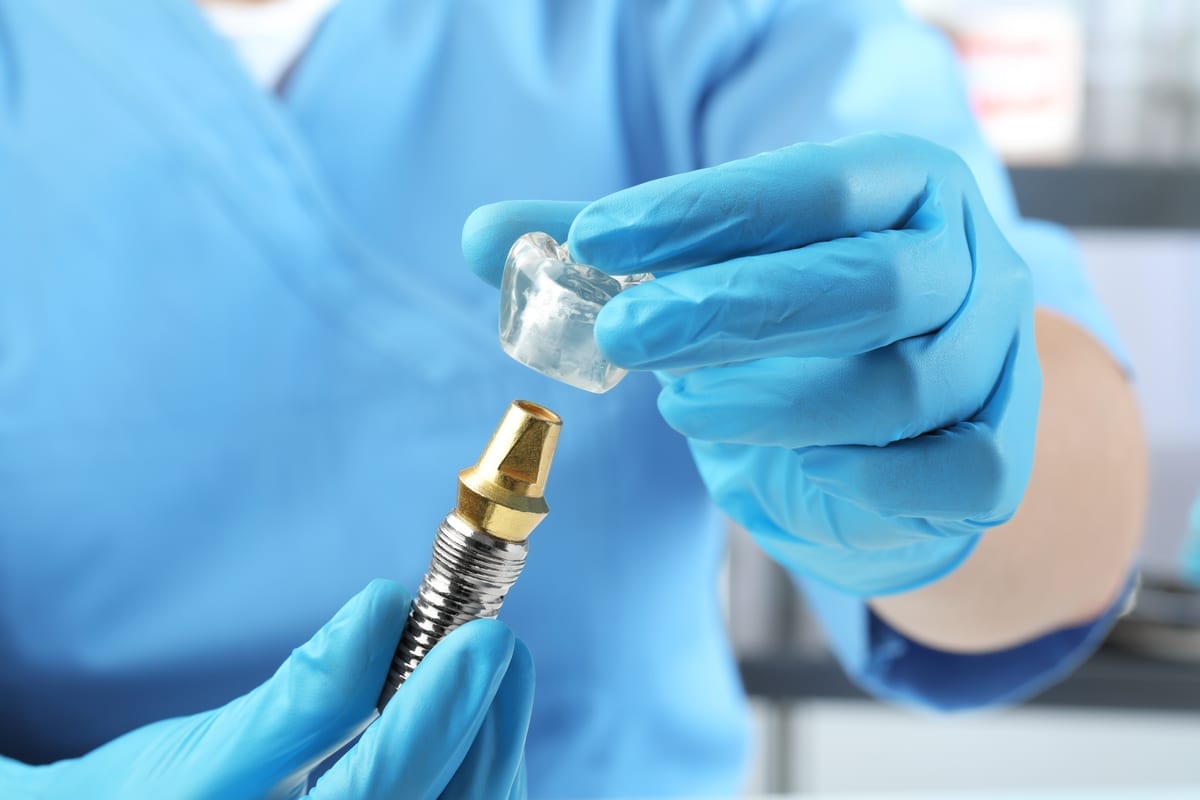
Dental implants are small titanium posts surgically placed into your jawbone. They act as artificial tooth roots, topped with a realistic-looking crown. Over time, the implant fuses with your bone in a process called osseointegration.
Dentures, on the other hand, are removable appliances. They sit on your gums and are held in place by suction, adhesive, or metal clasps. Full dentures replace an entire arch of teeth. Partial dentures fill in gaps when some natural teeth remain.
Both options can restore your smile beautifully. However, their impact on your daily life and long-term oral health differs significantly. Understanding those differences helps you make a confident, informed decision.
Which Option Fits Your Lifestyle in Haymarket, VA?
Your daily habits matter more than most people realize. Dental implants feel and function like natural teeth. You brush them, floss around them, and forget they are there. There are no adhesives, no removal at night, and no dietary restrictions.
Dentures require more daily management. You remove them for cleaning and soaking overnight. Certain foods — like hard nuts or sticky candy — can be difficult or damaging. Some wearers also report discomfort or shifting, especially as the jawbone changes shape over time.
Consider these lifestyle factors when comparing your options:
- Maintenance: Implants require brushing and flossing like natural teeth. Dentures need nightly removal and soaking.
- Diet: Implants allow you to eat virtually anything. Dentures may limit certain crunchy or sticky foods.
- Comfort: Implants are fixed and do not move. Dentures can slip, causing soreness or embarrassment.
- Bone health: Implants stimulate the jawbone and prevent bone loss. Dentures do not provide this stimulation.
- Longevity: Implants can last decades with proper care. Dentures typically need replacement every 5–10 years.
For many patients in Haymarket, implants offer a more permanent, low-maintenance solution. For others, dentures remain a practical and affordable starting point.
Who Is a Good Candidate for Dental Implants?
Not everyone qualifies for dental implants right away. Good candidates generally have healthy gums and enough jawbone density to support the implant post. Dr. Paul Han conducts a thorough evaluation before recommending any treatment.
Certain conditions may require additional steps first. Patients with significant bone loss may need a bone graft. Those with uncontrolled gum disease need treatment before implant placement.
You may be an excellent candidate for implants if you:
- Have one or more missing teeth
- Have a fully developed jawbone
- Maintain good overall oral and general health
- Do not smoke, or are willing to quit during the healing process
- Prefer a permanent, fixed tooth replacement solution
Age alone does not disqualify anyone. Many patients in their 60s and 70s successfully receive and enjoy dental implants. The key is a healthy foundation and realistic expectations about the healing timeline.
When Dentures Make More Sense
Dentures are not a lesser option — they are simply a different one. For some patients, they are genuinely the better fit. If you are missing most or all of your teeth, full dentures provide a fast, effective solution.
Dentures are also a reasonable choice when health conditions make surgery inadvisable. Certain medical situations increase surgical risk. In those cases, Dr. Paul Han will always recommend the safest path for your overall wellbeing.
Cost is another practical consideration. Dentures typically have a lower upfront investment than implants. For patients who need tooth replacement quickly or are managing multiple priorities, dentures offer an accessible solution.
Implant-supported dentures offer a middle ground worth exploring. These are dentures anchored to two or more implants for greater stability. They eliminate slipping while remaining more affordable than a full arch of individual implants.
How Cosmetic and Family Dentistry Connect to Your Decision
Your tooth replacement decision does not exist in isolation. It connects to your broader oral health picture and your smile goals. Patients exploring Cosmetic Dentistry options often find that implants integrate beautifully with treatments like veneers or whitening for a complete smile transformation.
Families in Haymarket also benefit from continuity of care. Choosing a practice that offers comprehensive Family Dentistry services means your dentist understands your full dental history. That context shapes better, more personalized treatment recommendations.
Dr. Paul Han and the Haymarket Dental team approach every patient as an individual. Your age, health history, aesthetic goals, and lifestyle all factor into the recommendation you receive. There is no one-size-fits-all answer.
Making the Decision: A Step-by-Step Approach
Feeling overwhelmed is normal. The key is breaking the decision into manageable steps. Start with a consultation where Dr. Han evaluates your bone density, gum health, and overall oral condition.
Next, discuss your lifestyle honestly. Share how you feel about maintenance, your diet, and what matters most to you in a tooth replacement. The more your dentist knows, the better the recommendation will be.
Finally, consider the long-term picture. Implants cost more upfront but often save money over time by eliminating the need for replacement. Dentures may need adjustments and replacements as your jaw changes shape. Both paths lead to a restored smile — the question is which journey fits your life best.
Conclusion: Find the Right Fit for Your Smile in Haymarket
Choosing between dental implants and dentures is a significant decision. There is no universally correct answer — only the answer that is right for your health, habits, and goals. Dr. Paul Han at Haymarket Dental is here to guide you through that process with patience and expertise.
You do not have to figure this out alone. Our team in Haymarket, VA serves patients with honest, personalized care at every stage of the journey. Book Now to schedule your appointment with our team.
Frequently Asked Questions
Are dental implants painful to get?
Most patients report that the procedure is more comfortable than they expected. Local anesthesia is used during placement, so you should feel little to no pain during the surgery. Some soreness and swelling are normal during the first few days of recovery, but these are manageable with over-the-counter pain relief.
How long do dental implants last compared to dentures?
With proper care, dental implants can last 20 years or more — and many last a lifetime. The crown on top may eventually need replacement, but the implant post itself is highly durable. Dentures typically need to be relined or replaced every 5–10 years as the jawbone and gum tissue change shape over time.
Can I get implants if I have been wearing dentures for years?
Yes, in many cases you can. However, long-term denture wearers often experience significant bone loss in the jaw. Dr. Paul Han will take imaging to assess your current bone density. A bone graft may be needed before implant placement to build a strong enough foundation.
What are implant-supported dentures?
Implant-supported dentures are a hybrid solution. Two to four implants are placed in the jaw, and a denture appliance snaps onto them securely. This eliminates the slipping and instability of traditional dentures while being more affordable than replacing every tooth individually with a standalone implant.
How do I know which option is right for me?
The best way to find out is through a comprehensive consultation with Dr. Paul Han. He evaluates your oral health, jawbone condition, and personal goals before making any recommendation. Every patient’s situation is unique, and the right choice is the one that fits your specific needs and lifestyle.