We are not a registered Medicare/Medicaid Provider

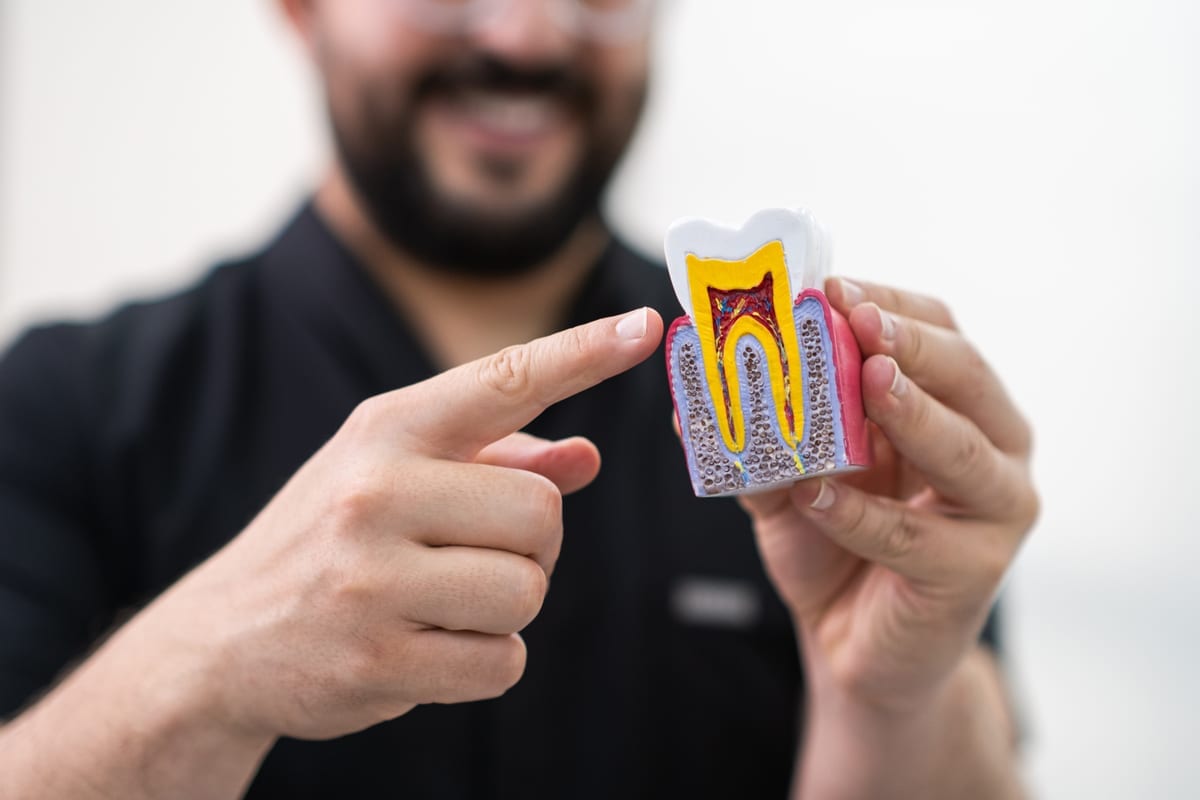
Many Linton Hall residents ignore tooth pain and hope it goes away. Unfortunately, that approach can turn a manageable problem into a dental emergency. Do you have these 5 root canal warning signs in Linton Hall? Knowing what to look for could save your tooth — and spare you from serious complications down the road. Dr. Paul Han and the team at Haymarket Dental are here to help you understand exactly what your symptoms may be telling you.
What Is a Root Canal and Why Does It Matter?
A root canal is a treatment that removes infected or damaged tissue from inside your tooth. The inner chamber of your tooth, called the pulp, contains nerves and blood vessels. When bacteria reach this area, infection sets in quickly. Without treatment, that infection spreads to the surrounding bone and tissue.
Many patients fear root canals more than necessary. Modern techniques make the procedure far more comfortable than its old reputation suggests. Delaying care, however, is what truly causes pain and complications. Early treatment leads to faster recovery and better long-term outcomes.
At Haymarket Dental, we offer comprehensive Family Dentistry services that include root canal treatment for patients of all ages. Our goal is always to preserve your natural tooth whenever possible. Keeping your real tooth is almost always the best option for your oral health.
The 5 Root Canal Warning Signs Linton Hall Patients Should Never Ignore
Recognizing symptoms early is the key to a successful outcome. These five warning signs are the most common indicators that the inner pulp of your tooth is infected or inflamed. If you notice any of these, do not wait to seek care.
- Persistent or severe toothache: A deep, throbbing pain that does not go away is one of the clearest red flags. This pain may spread to your jaw, ear, or neck.
- Sensitivity that lingers: Normal teeth may feel briefly sensitive to hot or cold. However, sensitivity that lasts more than 30 seconds after the temperature source is removed suggests pulp damage.
- Darkening or discoloration of the tooth: A tooth that turns gray or dark brown is often dying from the inside. This discoloration signals that the pulp tissue is breaking down.
- Swelling or tenderness in the gums: A swollen, tender, or raised bump near the affected tooth can indicate a dental abscess. This is a pus-filled infection that requires urgent care.
- Pain when chewing or touching the tooth: If biting down or even lightly pressing the tooth causes sharp pain, the nerve tissue inside is likely inflamed or infected.
Not every symptom appears at once. You might notice only one or two of these signs at first. That is still reason enough to call our office and schedule an evaluation.
Why Waiting Makes Everything Worse
Tooth infections do not resolve on their own. Bacteria continue to multiply and spread the longer treatment is delayed. What begins as a localized infection can advance to the jawbone, neighboring teeth, or even the bloodstream. This progression is both painful and dangerous.
Delaying care also shrinks your treatment options. A tooth that could have been saved with a root canal may require extraction if the infection spreads too far. Tooth loss then creates its own chain of consequences, including bone loss and shifting of surrounding teeth.
Patients in Linton Hall who delay treatment often find their final procedure is more involved and more costly. Acting on early warning signs gives Dr. Han the best chance to preserve your natural tooth with a straightforward root canal. Early intervention almost always leads to a simpler procedure and faster healing.
If you are also considering improving your smile, our Cosmetic Dentistry services can restore your tooth’s appearance after treatment. A dental crown placed after a root canal can make your restored tooth look completely natural.
What to Expect During Root Canal Treatment at Haymarket Dental
Many patients feel significant anxiety before their first root canal. Understanding the process helps reduce that worry. Here is a simple overview of what happens during treatment:
- Examination and X-rays: Dr. Han will examine the tooth and take X-rays to assess the extent of infection.
- Local anesthesia: The area is fully numbed before any work begins. Most patients feel only mild pressure during the procedure.
- Removal of infected pulp: The infected tissue is carefully removed through a small opening in the tooth.
- Cleaning and shaping: The inner canals are cleaned, shaped, and disinfected to eliminate all bacteria.
- Sealing and restoration: The tooth is sealed and typically fitted with a crown to restore strength and function.
The procedure itself usually takes one to two appointments. Most patients are surprised by how comfortable the experience feels. Recovery is typically mild, with sensitivity that fades within a few days.
How Linton Hall Residents Can Protect Their Oral Health Long-Term
Preventing root canals starts with consistent daily habits and regular dental visits. Most tooth infections begin with untreated cavities or cracked teeth. Addressing these issues early prevents bacteria from ever reaching the pulp.
Here are practical steps to protect your teeth:
- Brush twice daily with fluoride toothpaste
- Floss every day to remove bacteria between teeth
- Visit your dentist every six months for cleanings and exams
- Wear a mouthguard if you grind your teeth at night
- Address cracked or chipped teeth promptly before they worsen
Dr. Paul Han and the Haymarket Dental team serve Linton Hall and the surrounding Haymarket, VA community with patient-centered care. We make it easy to stay ahead of dental problems before they require more complex treatment. Prevention is always the most effective strategy.
Conclusion: Do Not Wait on These Warning Signs
Pain, sensitivity, discoloration, swelling, and discomfort when biting are all signals your tooth is sending you. These five root canal warning signs in Linton Hall deserve prompt attention, not wishful thinking. The sooner you act, the better your chances of a simple, successful outcome. Book Now to schedule your appointment with our team.
Frequently Asked Questions
How do I know if I need a root canal or just a filling?
A filling treats surface-level decay that has not reached the inner pulp. If you have persistent pain, lingering sensitivity, swelling, or a discolored tooth, the infection has likely reached the pulp and a root canal is needed. Only a dental exam and X-rays can confirm which treatment is appropriate for your situation.
Is a root canal painful?
Most patients report that the procedure itself is no more uncomfortable than getting a filling. Local anesthesia fully numbs the area before treatment begins. The pain you feel before a root canal — from the infection — is typically far worse than anything experienced during the procedure.
What happens if I ignore root canal symptoms?
Ignoring symptoms allows the infection to spread beyond the tooth to the surrounding bone and tissue. This can lead to a dental abscess, tooth loss, and in rare cases, serious systemic infection. Early treatment leads to far simpler outcomes and protects your overall health.
How long does recovery take after a root canal?
Most patients experience mild soreness for two to three days after treatment. Over-the-counter pain relievers are usually sufficient to manage discomfort. Most people return to normal activities the following day with no significant disruption to their routine.
Can a tooth that needs a root canal heal on its own?
No. Tooth pulp infections do not heal without treatment. Bacteria continue to grow and the infection worsens over time. Antibiotics may temporarily reduce symptoms but cannot eliminate the infection inside the tooth. Professional dental treatment is always required to resolve the problem.